


What is mezcal?
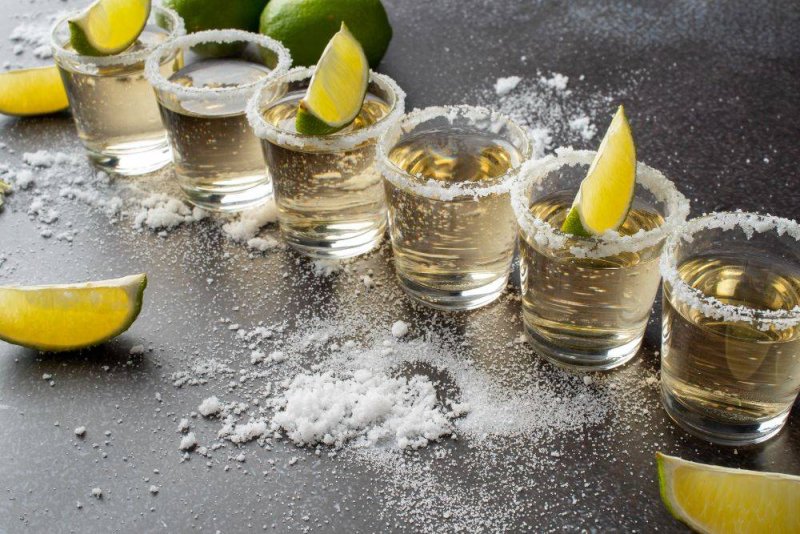
Mezcal is one of the most emblematic alcoholic beverages of Mexico. It is obtained from the distillate of the fermented must that is produced from the agave, a plant that has been cultivated in Mesoamerica since ancient times and has culinary, medicinal and textile uses. There are up to 14 different species of agave that can be used in its production, so we can talk about different types of mezcal with different flavors and aromas in its artisanal production. Mezcal traditionally comes from the states of Oaxaca and Guerrero, where it was originally made by indigenous tribes and was reserved for special occasions and for noble people of great social importance. Its alcohol content ranges between 35% and 55%, and is characterized by its intense and smoky flavor, because the traditional cooking method in wood ovens is used in its preparation. Depending on the type of production and aging, we find varieties such as white or young mezcal, matured in glass, rested or aged, each with very particular tasting and aromatic profiles. Among the varieties or types of agave that are most commonly used in the production of mezcal, we can highlight espadín, tobalá and madrecuixe.What is tequila?
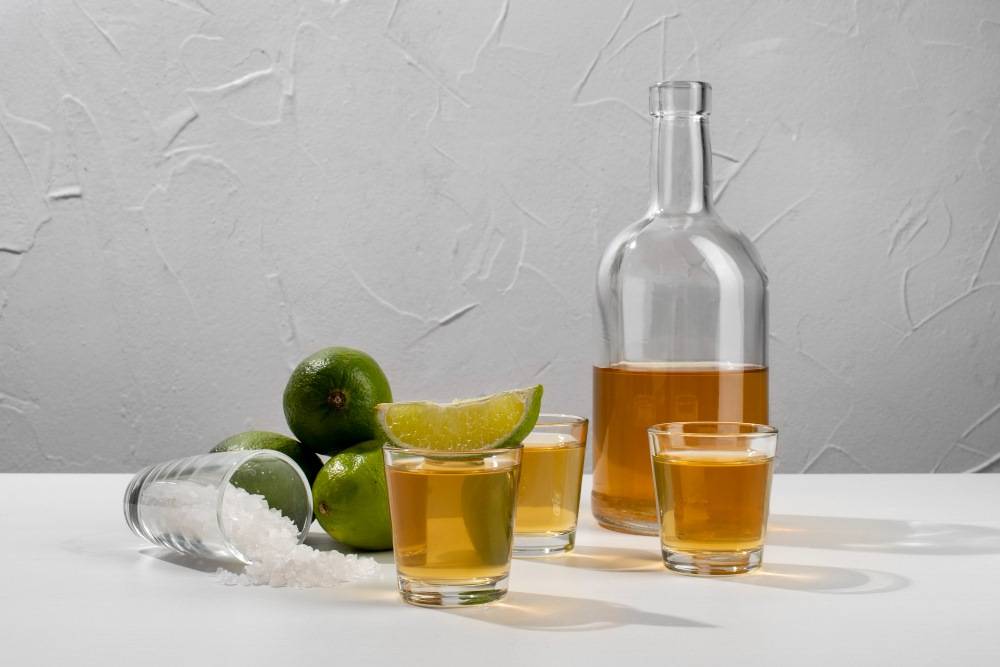 Tequila, for its part, we can say that it is a specific type of mezcal that is produced exclusively from blue agave (Agave tequilana Weber var. blue). One of the main characteristics of obtaining tequila lies in its cooking process, since it is steam-cooked in industrial ovens or autoclaves, which gives it a clean flavor and a clear tone.In addition, tequila has a designation of origin and can only be produced in certain states of Mexico, Jalisco being the most representative, although it is also made in Guanajuato, Michoacán, Nayarit and Tamaulipas. Its alcohol content is around 35%-40%, and like mezcal, it presents different categories according to its aging: white, reposado, aged and extra aged. You can find different types within the tequila catalog of our online store, Cave Gillet.
Key differences between tequila and mezcal
Despite sharing the same origin in agave, tequila and mezcal present fundamental differences in terms of the type of agave used, since, to make etequila is made exclusively with blue agave (Agave tequilana Weber var. azul), while mezcal can come from up to 14 different varieties that can be found in Mexico. We also found an important difference during the cooking process, since, toto make tequila, the blue agave is cooked in steam ovens, while, to make mezcal, the agave must be cooked in underground ovens with wood, which gives it its characteristic smoky flavor and intense flavor. Likewise, the production regions also differ, since, while tequila has a designation of origin in Jalisco and other states, mezcal is usually produced mostly in the states of Oaxaca and Guerrero. Of course, there are also differences regarding the alcohol content, since, while mezcal usually has a higher alcohol content, between 40% and 55%, while tequila ranges between 35% and 55%, so we can find bottles with a lower alcohol percentage. Finally, we also we must talk about flavor and aroma. Keep in mind that tequila tends to have a cleaner and fresher profile, while mezcal tends to have a more rustic and smoky character because an artisanal production method is used in wood-fired ovens.How to enjoy tequila and mezcal?
 We must also keep in mind that the way in which each of these drinks is enjoyed depends on the occasion and our tastes personal. Although they can be served in cocktails, professionals in the sector recommend tasting them alone to fully appreciate their nuances in the mouth and nose.
How to drink tequila?
If you are wondering “how to drink tequila?”, we can say that can be enjoyed neat, at room temperature or slightly chilled. As for the type of glass, we recommend to use a tequila caballito or a Riedel-type glass to be able to taste its aromas on the nose before tasting it in the mouth. If taken alone, it is tradition to take it with lemon and salt. In addition, to enjoy a more traditional experience, can be taken mixed with sangrita, a preparation based on tomato, orange and spices. However, can also be mixed with vermouth, white rum, lemon juice or with different types of soft drinks. In cocktails, it is the drink that serves as the base of classics such as the Margarita or the Tequila Sunrise.How to take mezcal?
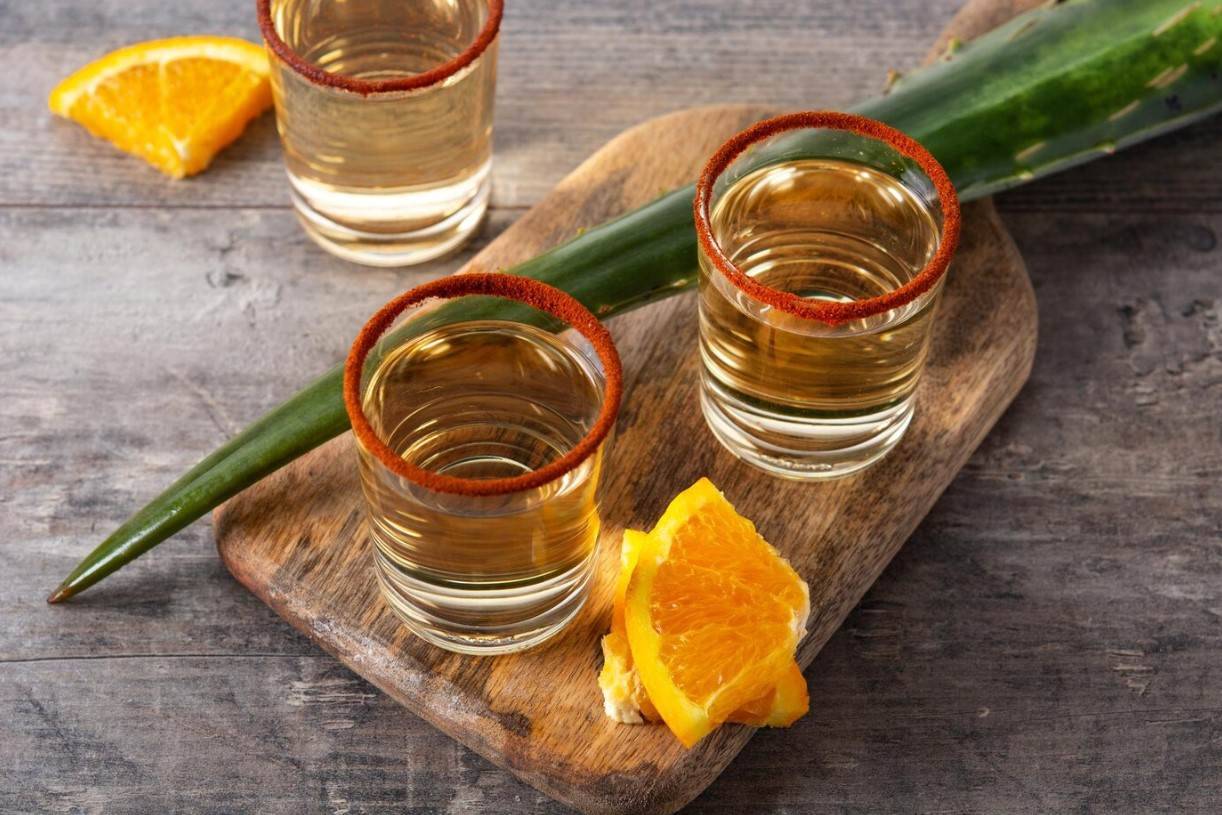 The ideal is to drink the mezcal alone, in small sips, in a veladora glass or in a clay gourd and at room temperature. Instead of adding lemon, it is usually accompanied with orange slices and toasted and ground maguey worm salt to enhance its smoky notes. However, it can also be mixed with other drinks, such as orange, strawberry or lemon juice, although it can also be used to make some cocktails such as the Mezcal Mule or the Oaxaca Old Fashioned.
In short, we can say that, regardless of whether you prefer to taste the clean and refined character of tequila or the smoky depth of mezcal, you should know that both drinks can offer you unique sensory experiences for your senses. Discover their differences and main nuances to familiarize yourself with this type of distillates with designation of origin.
The ideal is to drink the mezcal alone, in small sips, in a veladora glass or in a clay gourd and at room temperature. Instead of adding lemon, it is usually accompanied with orange slices and toasted and ground maguey worm salt to enhance its smoky notes. However, it can also be mixed with other drinks, such as orange, strawberry or lemon juice, although it can also be used to make some cocktails such as the Mezcal Mule or the Oaxaca Old Fashioned.
In short, we can say that, regardless of whether you prefer to taste the clean and refined character of tequila or the smoky depth of mezcal, you should know that both drinks can offer you unique sensory experiences for your senses. Discover their differences and main nuances to familiarize yourself with this type of distillates with designation of origin.