


What is cava?
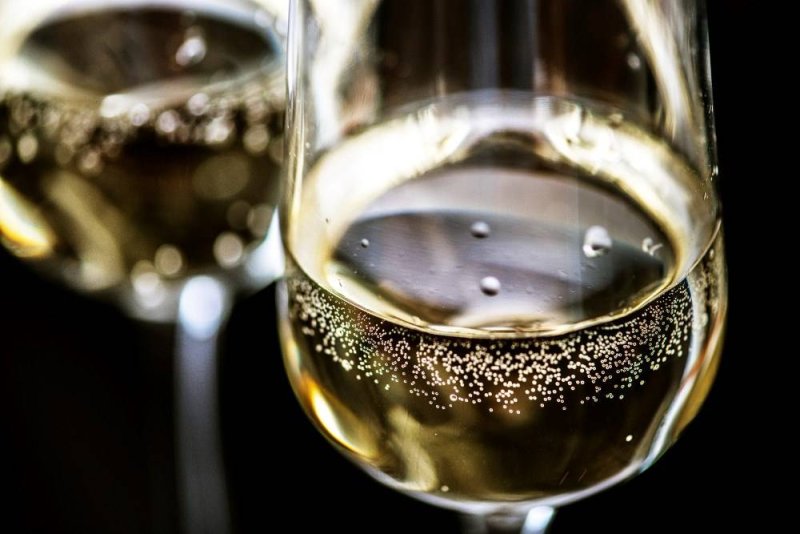
Cava is a type of high quality sparkling wine which is characterized by its bright golden color and by producing very recognizable bubbles very recognizable bubbles, which makes it very similar to French champagne, another type of sparkling wine. However, both drinks manage to have very different flavors and personalities on the palate. In addition to white cava, there is also rosé, with similar characteristics, although with certain differences in terms of flavor and aroma. In fact, in Spain, is the type of wine most used in all types of celebrations, such as, for example, university graduations, bachelor parties, birthdays, weddings, Christmas, to toast at the New Year's Eve party, etc. If you wonder why, we will say that, due to its color and its ability to form bubbles, it is one of the most elegant drinks in our country. All of this has also meant that it is related to the celebration of very positive events. Furthermore, cava is a drink with a supra-autonomous Designation of Origin of Spain thanks to its traditional production method and, of course, for its high quality and great ability to pair with all types of dishes. Now, as we mentioned above, there are differences between white cavas and rosé cavas.History of cava: what is its origin?
 For centuries, only the most classic wines existed, such as red, white and rosé. However, in the 18th century the birth of sparkling wines took place. Like everything, this type of drink was discovered by mere chance in the French region of Champagne, where, to speed up production, they began to bottle wines that had not yet finished the first fermentation. In this way, the producers realized that bubbles appeared.
The bottles used to store wine in the 18th century were made of a much thinner glass than the one we use today, so, when subjected to the added pressure of late fermentation in the bottle itself, these bottles began to burst. Realizing this, Champagne producers began to use larger bottles thick to be able to store this sparkling wine that would later be known as champagne.
Of course, this sparkling wine was very successful and achieved great popularity in just a few years. Therefore, after a few centuries, already in the 19th century, the engineer Luis Justo y Villanueva began to produce his own version of this sparkling wine using native grapes and making some changes throughout production.
Thanks to this, the production of cava was established in the Catalan region of Penedés and, subsequently, it was recognized as a Spanish product of the highest quality, with Designation of Origin. Of course, at Cave Gillet, you can find this type of wine in our catalogue cava.
For centuries, only the most classic wines existed, such as red, white and rosé. However, in the 18th century the birth of sparkling wines took place. Like everything, this type of drink was discovered by mere chance in the French region of Champagne, where, to speed up production, they began to bottle wines that had not yet finished the first fermentation. In this way, the producers realized that bubbles appeared.
The bottles used to store wine in the 18th century were made of a much thinner glass than the one we use today, so, when subjected to the added pressure of late fermentation in the bottle itself, these bottles began to burst. Realizing this, Champagne producers began to use larger bottles thick to be able to store this sparkling wine that would later be known as champagne.
Of course, this sparkling wine was very successful and achieved great popularity in just a few years. Therefore, after a few centuries, already in the 19th century, the engineer Luis Justo y Villanueva began to produce his own version of this sparkling wine using native grapes and making some changes throughout production.
Thanks to this, the production of cava was established in the Catalan region of Penedés and, subsequently, it was recognized as a Spanish product of the highest quality, with Designation of Origin. Of course, at Cave Gillet, you can find this type of wine in our catalogue cava.