



Where does champagne originate from?
If you are wondering where champagne is from, you should know that this alcoholic beverage is a type of wine originating in France. This is precisely one of the countries that currently has a large production of different types of wines, including many of high quality. This country has a great winemaking tradition, thanks, in part, to the Romans for importing the vineyards from which the grapes for making this drink are obtained. However, France also owes the Catholic Church part of the credit for the invention of this drink, which is also known under the nickname “liquid gold”. In fact, as we are going to show you in more detail later, it was a Benedictine monk who was the person who found the keys to making this alcoholic beverage. In addition, it is necessary to emphasize that any alcoholic beverage that is considered “champagne” and is labeled as such can only be manufactured in the Champagne region itself. This is located in the northeast of France. This is the main reason why, although there are many wineries in countries around the world that produce sparkling wines with very similar characteristics, they cannot be labeled under this name, since they do not have the Denomination of Origin of this region.A little history of champagne
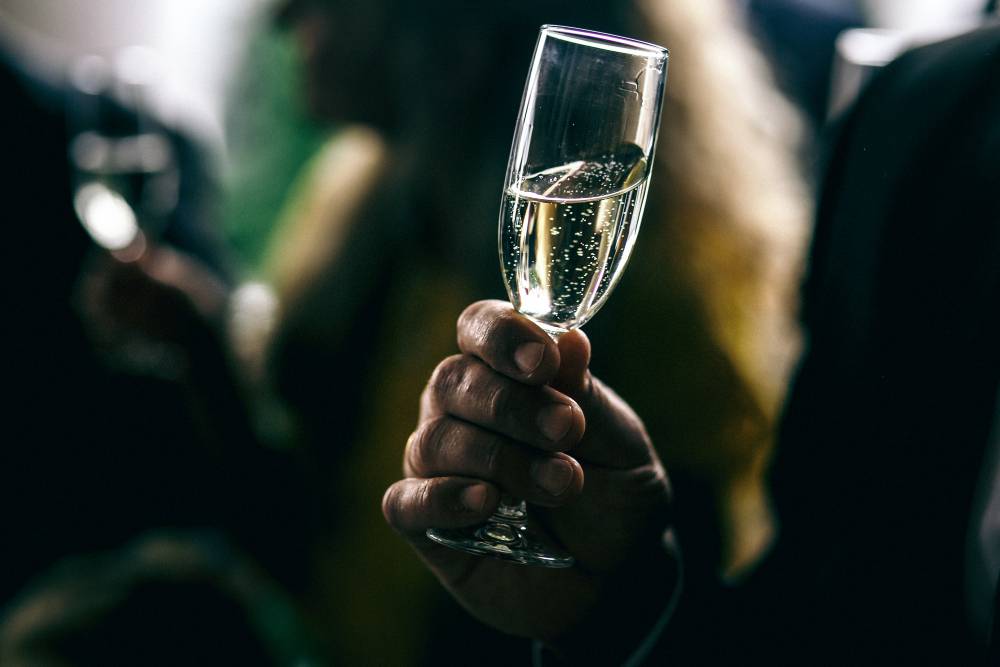 Now you know where champagne is from, which is a sparkling wine. This has certain characteristics in particular that differentiate it from the others and that has the Denomination of Origin of Champagne, region in which it is made. Therefore, we are going to show you some interesting facts about the history and creation of this alcoholic beverage that is so famous around the world.
Dom Pierre Pérignon, the creator of Champagne
According to legend, a Benedictine monk named Dom Pierre Pérignon, who lived between the centuries XVII and XVIII in the Hautvillers Abbey, in the heart of the Champagne region, he invented this type of sparkling wine “by mistake”. Remember that in the Christian liturgy, since the Baroque period, in the middle of the 16th century, in the 13th Council of Trent (from the year 1551), gave central importance to the sacrament of the Eucharist, by which he gave bread and wine to eat and drink “the body and blood of Christ” to the faithful who attended mass. Since then, this alcoholic drink has been closely linked to the church itself, so it is important to highlight that the invention of champagne took place in an abbey. Precisely, it is said that Dom Pierre Pérignon was in charge of guarding its basement, where the wine production was stored. This monk made a white wine there using red grapes, but removing the skins.The first champagne had a problem
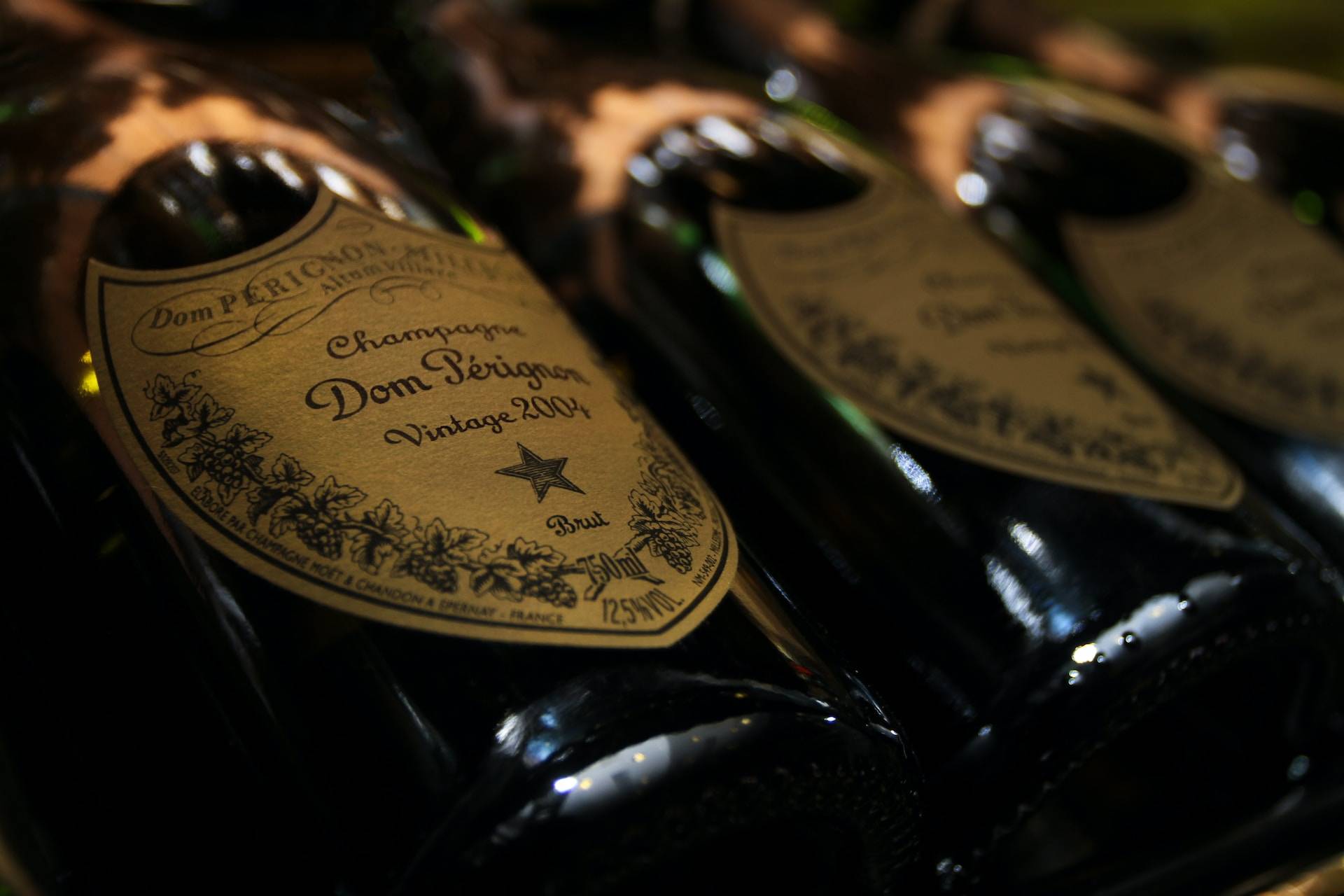 The drink created by this monk, however, contained bubbles, which was a problem. This is because these were due to the fermentation of the yeasts that were present on the grape skins naturally. It is said that the people who tried this drink liked it so much that they preferred it to traditional wine, without bubbles.
The problem that this wine contained bubbles is due to it increases the pressure inside the bottle. In those years it was completely unknown why this happened, but the fact is that many bottles burst during the fermentation period.
Today it is known that this phenomenon was due to the fact that the bottles stopped their fermentation during the winter, moderating their alcohol level, in addition to containing sugars. However, as winter passed and temperatures rose, the activity of these yeasts resumed in a second fermentation, since they fed on the sugars present in the medium. These bottles were stored perfectly sealed, which allowed the pressure to increase inside. As the type of glass was quite thin and weak, when the material could not withstand the pressure, the bottles ended up exploding.
The drink created by this monk, however, contained bubbles, which was a problem. This is because these were due to the fermentation of the yeasts that were present on the grape skins naturally. It is said that the people who tried this drink liked it so much that they preferred it to traditional wine, without bubbles.
The problem that this wine contained bubbles is due to it increases the pressure inside the bottle. In those years it was completely unknown why this happened, but the fact is that many bottles burst during the fermentation period.
Today it is known that this phenomenon was due to the fact that the bottles stopped their fermentation during the winter, moderating their alcohol level, in addition to containing sugars. However, as winter passed and temperatures rose, the activity of these yeasts resumed in a second fermentation, since they fed on the sugars present in the medium. These bottles were stored perfectly sealed, which allowed the pressure to increase inside. As the type of glass was quite thin and weak, when the material could not withstand the pressure, the bottles ended up exploding.