


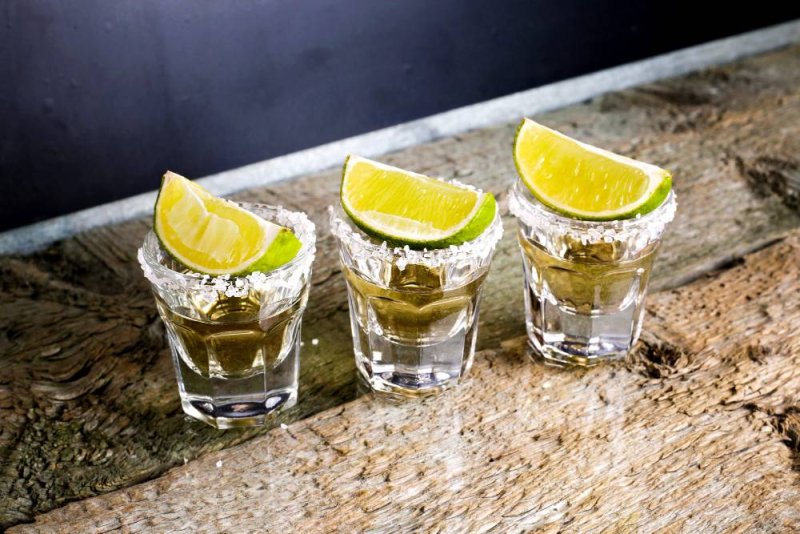
How is tequila made?
Now that you know what tequila is made with and you know the importance of agave syrup, we are going to show you step by step, how this drink is made. Starting with the cultivation of the agave until its bottling, the process of making tequila is an art. Come and discover it step by step with us.How tequila is made: cultivation of blue agave
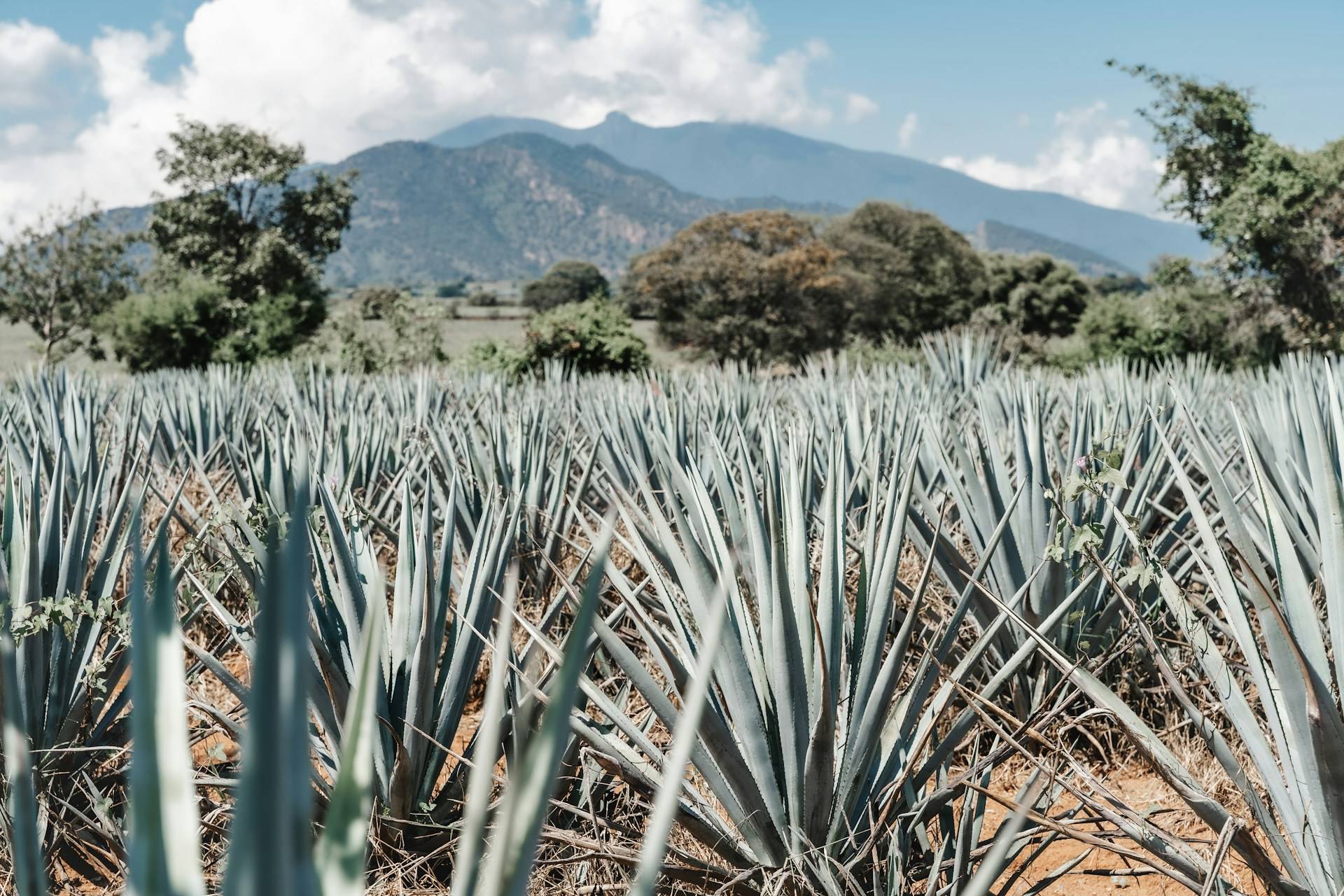 As we have mentioned, tequila is a spirit drink that is made from the agave plant blue, also known as Agave Tequilana Weber var. Blue. This plant is native to Mexico and is fundamental in the production of tequila, since, if we use any other type of agave, we will be making other drinks, such as Mezcal or Pulque.
The cultivation of this plant requires specific climatic conditions, which meet in a region of the world, which is known under the name of “Denomination of Origin of Tequila (DOT) and which includes the Mexican states of Jalisco, Michoacán, Tamaulipas, Nayarit and Guanajuato If you wish, you can find this drink in our catalog. tequila.
As we have mentioned, tequila is a spirit drink that is made from the agave plant blue, also known as Agave Tequilana Weber var. Blue. This plant is native to Mexico and is fundamental in the production of tequila, since, if we use any other type of agave, we will be making other drinks, such as Mezcal or Pulque.
The cultivation of this plant requires specific climatic conditions, which meet in a region of the world, which is known under the name of “Denomination of Origin of Tequila (DOT) and which includes the Mexican states of Jalisco, Michoacán, Tamaulipas, Nayarit and Guanajuato If you wish, you can find this drink in our catalog. tequila.
How tequila is made: harvesting the blue agave
The blue agave reaches maturity between 6 and 8 years after being planted. When this moment arrives, it can already be harvested. The harvesting must be must be done manually, using traditional tools to extract the pineapple from the agave and to remove its large leaves. Precisely, this pineapple that we obtain is the main raw material used in the production of tequila. The people in charge of harvesting the blue agave are called “jimadores”.How tequila is made: baking the blue agave pineapples
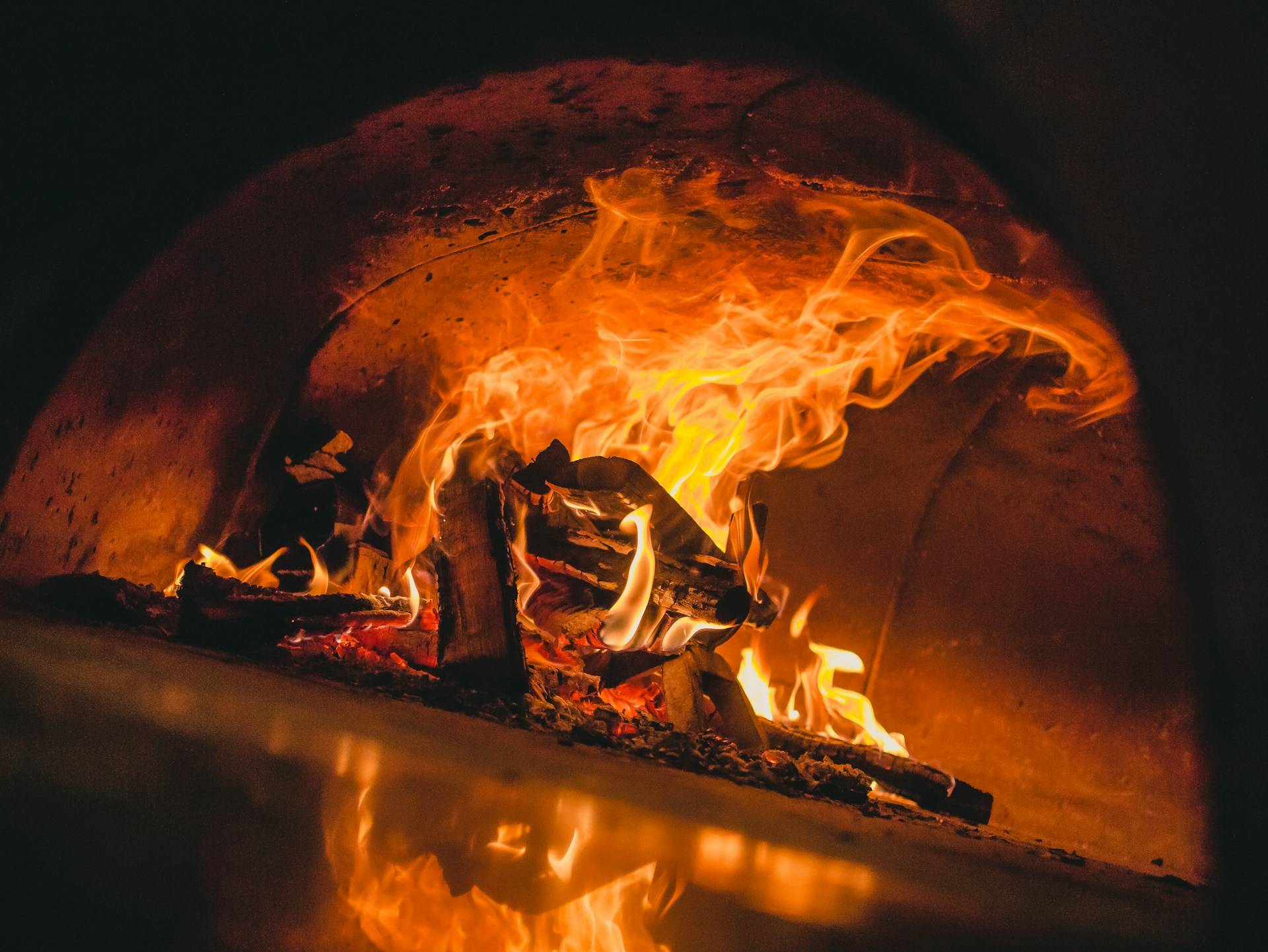 Once harvested, hours later, the agave “pineapples” must undergo a baking process to subsequently be able to obtain the sweet syrup which we have mentioned above. It is important to bake them as soon as possible, since, if a long time passes after harvesting, the syrup that we will obtain after grinding them will not be sweet, but bitter and will not be useful to make tequila.
Traditionally, this process was carried out in pit ovens with stones and firewood where the pineapples were cooked for several hours at controlled temperatures. Some producers continue to use this traditional method, but this practice is becoming less frequent. Currently, most producers use stainless steel industrial ovens to speed up the process and maximize production.
Once harvested, hours later, the agave “pineapples” must undergo a baking process to subsequently be able to obtain the sweet syrup which we have mentioned above. It is important to bake them as soon as possible, since, if a long time passes after harvesting, the syrup that we will obtain after grinding them will not be sweet, but bitter and will not be useful to make tequila.
Traditionally, this process was carried out in pit ovens with stones and firewood where the pineapples were cooked for several hours at controlled temperatures. Some producers continue to use this traditional method, but this practice is becoming less frequent. Currently, most producers use stainless steel industrial ovens to speed up the process and maximize production.
How Tequila is Made: Grinding Baked Blue Agave Pinas
After being baked, the agave piñas must be ground, where they are crushed to extract the agave syrup or mead. Traditionally, this process was carried out using stone mills, and, although some producers continue to resort to these traditional means, today, most of them use industrial mills to speed up the process of production of tequila. As we have mentioned before, it is this syrup that is used to make this spirit drink.How tequila is made: fermentation of mead or blue agave syrup
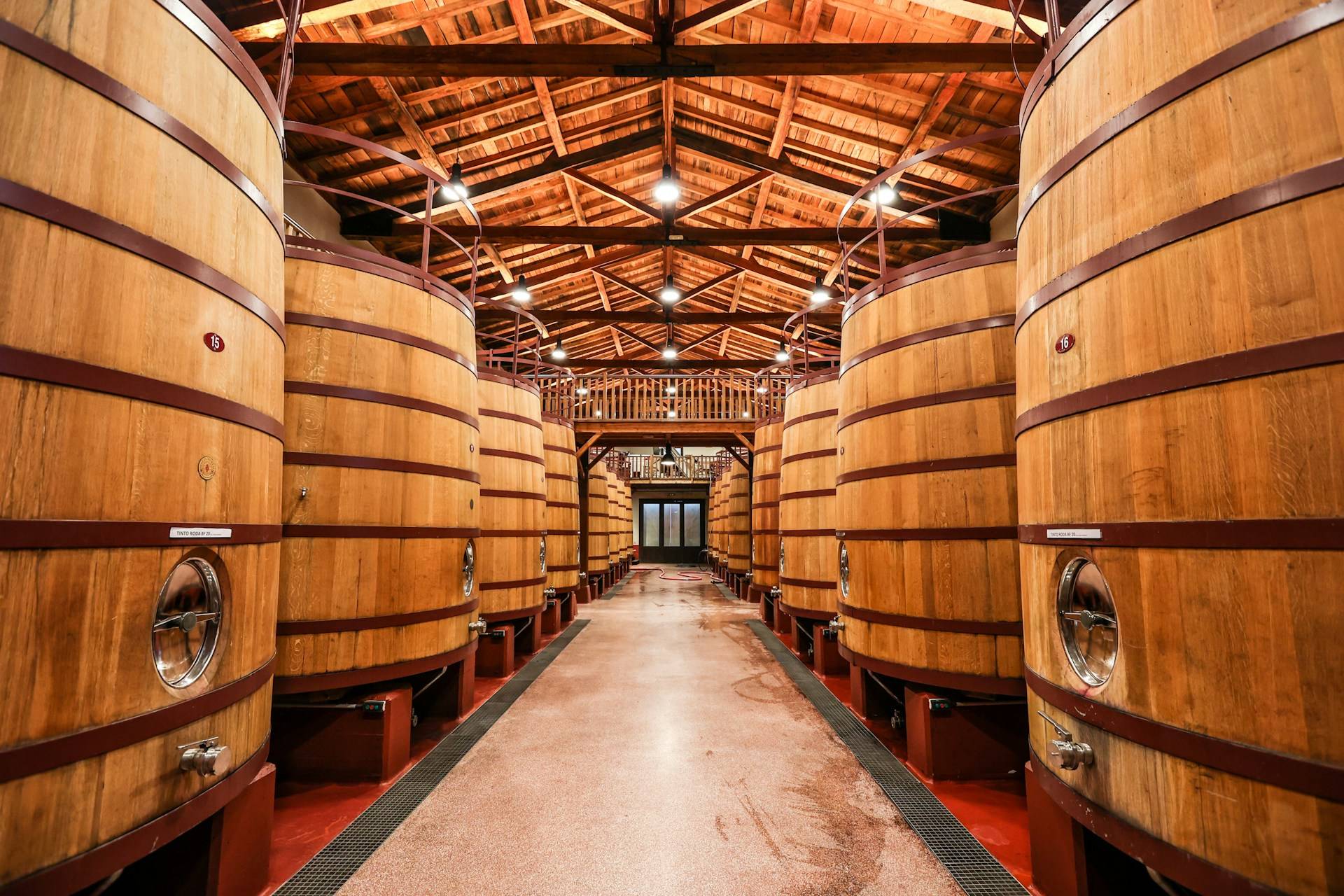 Once we have obtained the blue agave syrup, the next step is to carry out the fermentation process. This consists of adding yeast to the blue agave mead and keeping it at a constant temperature of between 30 and 40ºC so that it begins to transform its own sugars into alcohol (ethanol) and other chemical compounds that give it a certain flavor and aroma. Fermentation can last between 2 and 4 days to obtain a product ready for distillation.
How tequila is made: distillation process after fermentation
Once you have obtained the fermented blue agave syrup, you must distill it in copper stills to eliminate impurities and concentrate the alcohol, obtaining tequilas with an alcohol content of up to 65%. The distillation process is complex and is usually carried out twice—primary and secondary distillation—to obtain a high-quality drink free of impurities.How Tequila is Made: Aging Tequila
 The tequila that we obtain can already be bottled directly after distillation, but many producers prefer to let this drink mature in oak barrels for several months or even years to add more layers of complexity and flavor. During this maturation process, is when tequila acquires its characteristic flavor and golden color that we all know.