


What is gin?
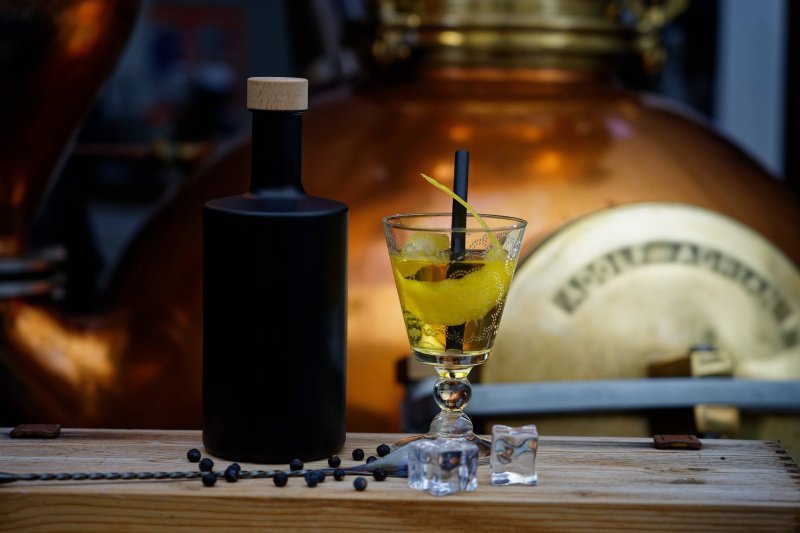
Gin is a alcoholic beverage that is made from a cereal distillate. Specifically, corn, rye and barley cereals are usually used. Subsequently, this distillate is flavored with mist, but juniper berries, fruits or even galbulae can also be used. Thanks to these flavorings, it is possible to add flavor to the drink and achieve that characteristic flavor of gin. When we examine gin, we can realize that we are dealing with a transparent drink, which has a high alcohol concentration in the vast majority of cases. Of course, depending on the type of gin, the alcohol percentage and color may vary slightly. For example, the origin of the mist can change the type of gin slightly.What was the origin of gin?
It is important to make it clear that gin was not born for the purpose we know it as today, but rather it was born for healing purposes. If we take into account the legend, we can say that gin was created by a Dutch doctor in the Middle Ages. According to history, the doctor who created gin is called Sylvius de la Boa. He himself created this drink based on the mist distillate with the aim of curing stomach problems. In its beginnings the drink was known under the name Jenever, which translated would be juniper. But from the evolution of Jenever, today we know this drink as gin. As time went by, the drink began to gain a lot of popularity in Great Britain, which stopped being used as a healing element and began to be used as an alcoholic beverage. From that moment on, the popularity did not stop growing and spreading throughout the world. That makes gin one of the most popular drinks today.How is gin made?
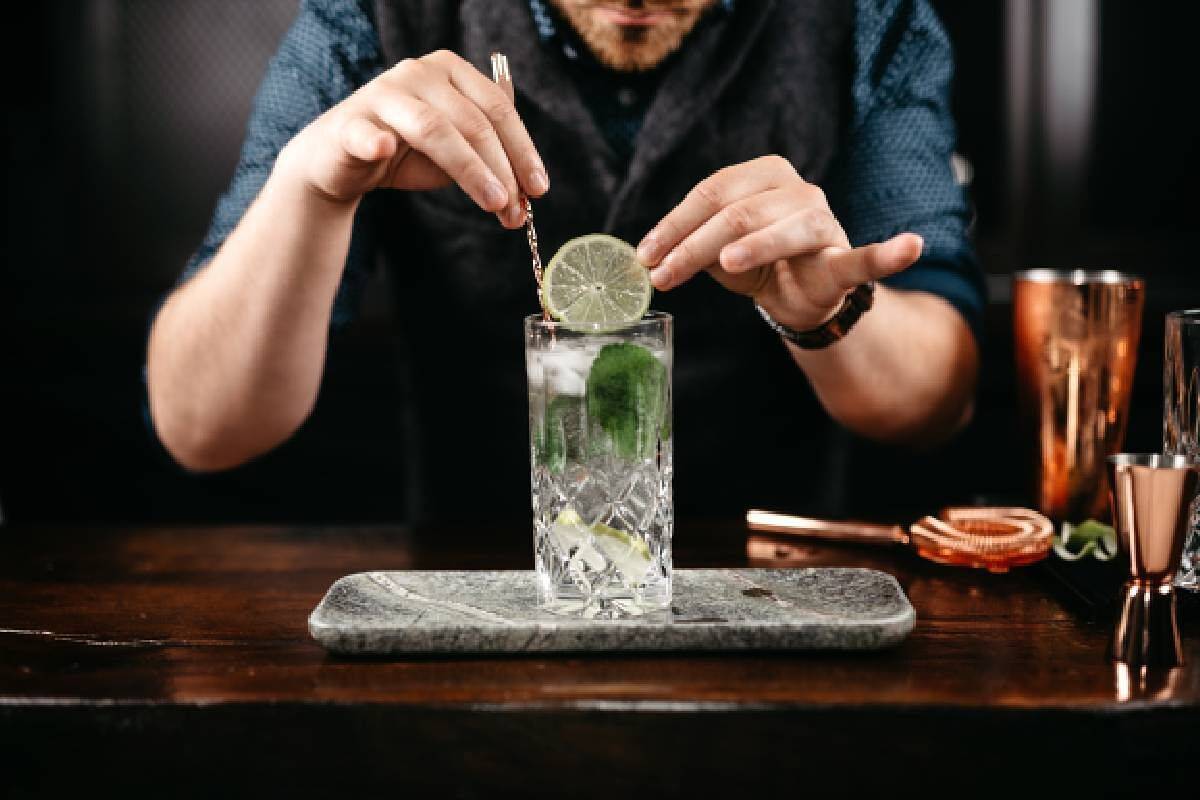 To begin with, we have to be clear that gin is made from a base of alcohol, which has agricultural origin. To give you an idea, this base can be created from different types of cereals. In many cases wheat is the main protagonist, but on other occasions barley, beets or rye can be used.
To begin making gin, what you do is distill the alcohol. This distillation can be done in steel or copper stills, that depends on each manufacturer. The objective is to get the alcohol to reach high temperatures, specifically the boiling point is sought to convert it into vapor.
When it is in a vapor state, it is time to flavor it. Each manufacturer has its own techniques. This aromatization is carried out with botanicals and herbs, the main protagonists being the mists. Subsequently, the vapor has to pass through a series of ducts, where it cools and becomes liquid once again. At that moment the desired gin has already been obtained.
To begin with, we have to be clear that gin is made from a base of alcohol, which has agricultural origin. To give you an idea, this base can be created from different types of cereals. In many cases wheat is the main protagonist, but on other occasions barley, beets or rye can be used.
To begin making gin, what you do is distill the alcohol. This distillation can be done in steel or copper stills, that depends on each manufacturer. The objective is to get the alcohol to reach high temperatures, specifically the boiling point is sought to convert it into vapor.
When it is in a vapor state, it is time to flavor it. Each manufacturer has its own techniques. This aromatization is carried out with botanicals and herbs, the main protagonists being the mists. Subsequently, the vapor has to pass through a series of ducts, where it cools and becomes liquid once again. At that moment the desired gin has already been obtained.