


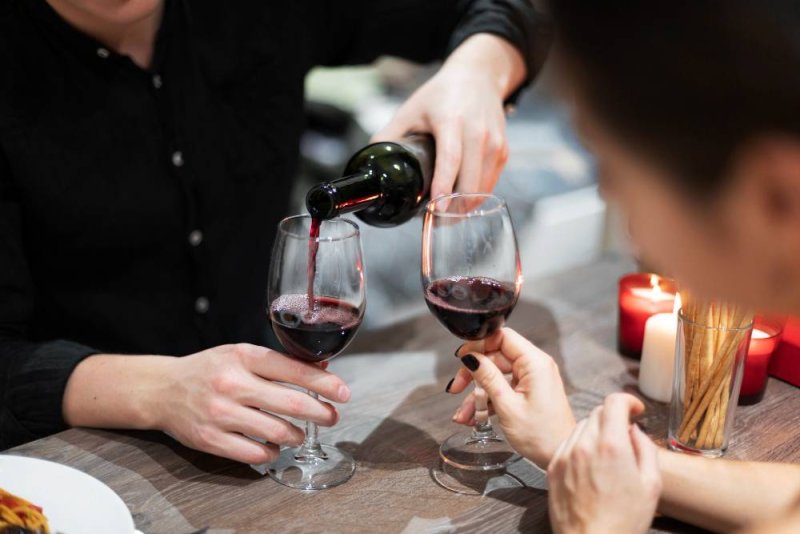
How is wine made?
As we have mentioned previously, wine is one of the oldest alcoholic beverages that exist, which it is striking that the process of making it has remained unchanged since practically prehistory, during the Neolithic. Since then, the techniques for making any type of wine are practically the same. Currently we have more advanced machinery and some more exact knowledge to find the appropriate temperature to obtain a much more controlled fermentation. Likewise, we know that there are different types of grapes that provide different types of wines as a result.Planting and harvesting grapes
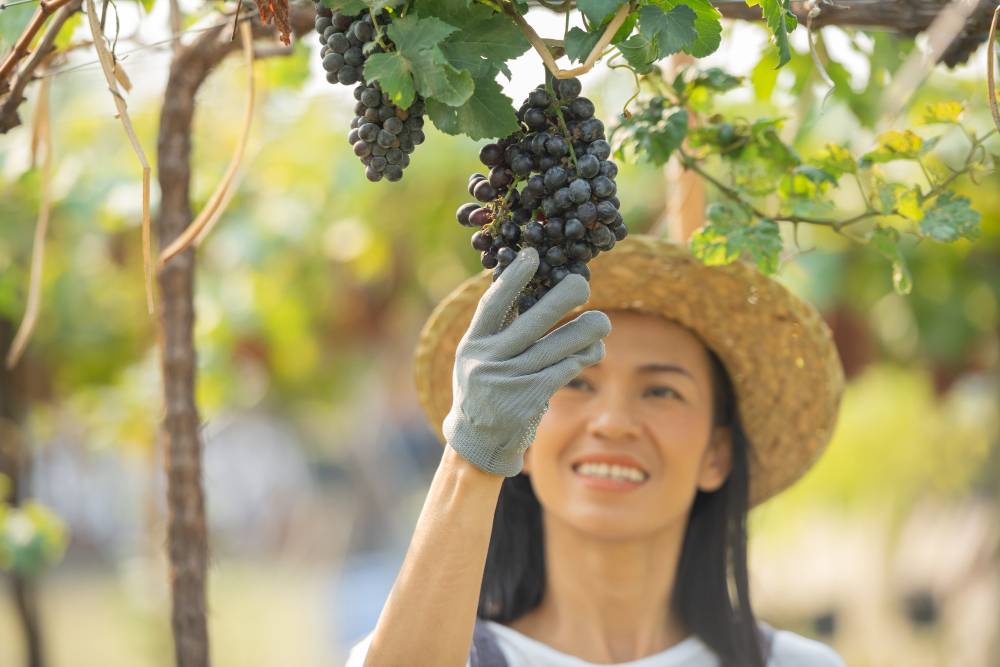 Above we have said that different types of grapes can result in different types of wine, as we will see later. Therefore, the choice of a or another grape variety depending on the characteristics of the terrain and the climatic conditions, humidity, temperature e solar incidence, can lead to the production of a very different final product with different flavors and aromas. So, if you are wondering how to make white wine, you should use white grapes, for red wine, red grapes and, for rosé, a mixture of both.
As for the harvest, it must be done by hand, cutting the grapes with special scissors that manage to cut the bunch without causing damage to the rest of the plant. Depending on the type of grape, you can use both the must (grape juice), the skin, the pulp, and the seeds, or you can dispense with some of them, such as the skin or seeds.
Above we have said that different types of grapes can result in different types of wine, as we will see later. Therefore, the choice of a or another grape variety depending on the characteristics of the terrain and the climatic conditions, humidity, temperature e solar incidence, can lead to the production of a very different final product with different flavors and aromas. So, if you are wondering how to make white wine, you should use white grapes, for red wine, red grapes and, for rosé, a mixture of both.
As for the harvest, it must be done by hand, cutting the grapes with special scissors that manage to cut the bunch without causing damage to the rest of the plant. Depending on the type of grape, you can use both the must (grape juice), the skin, the pulp, and the seeds, or you can dispense with some of them, such as the skin or seeds.
Must extraction in the press
Once collected, theses must be placed in the press or crusher to extract the must with which, together with the skin, pulp or seeds, it can be used to make different types of wines. The result is stored in wooden or stainless steel barrels to allow it to macerate cold. In this sense, if you want to know how red wine is made, we can tell you that first the crushing is done and, after the fermentation process, it is pressed. On the other hand, if you are wondering how rosé or white wine is made, for its production, the grapes must be pressed gently before fermentation.Alcoholic fermentation process
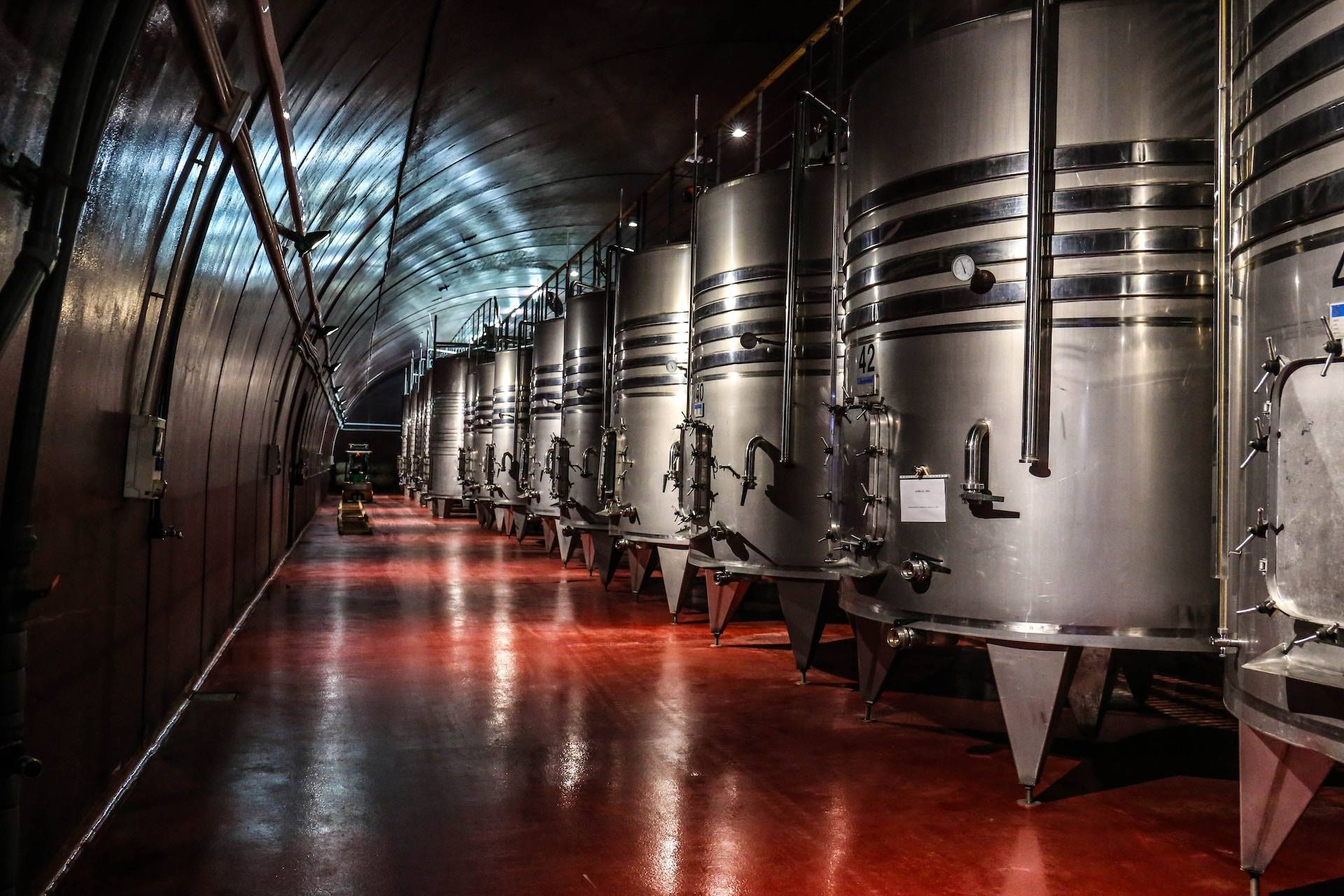 After extracting the wort and the rest of the elements, yeast can be added to speed up the fermentation process. fermentation and let it rest for a while. This is responsible for converting the sugars contained in the must into alcohol. Likewise, yeasts also provide certain flavors and aromas. This part of the process is essential in the production of any type of wine in question, regardless of whether it is red, white or rosé.
Malolactic fermentation process
Subsequently, to regularly produce some red wines, a second fermentation can be carried out,, which is known as “malolactic fermentation”. It may seem a little strange, but what we are looking for here is convert the malic acid, which wine contains, into a softer one, like lactic acid. To do this, a series of bacteria are added that manage to enhance and refine its flavor, as is done with some dairy products, such as yogurt. From this moment on, the wine is now suitable for bottling and consumption as a young, unaged red wine. Therefore, to show you how red wine is made, we will tell you that it is advisable to put the drink through this second fermentation process.Raising process
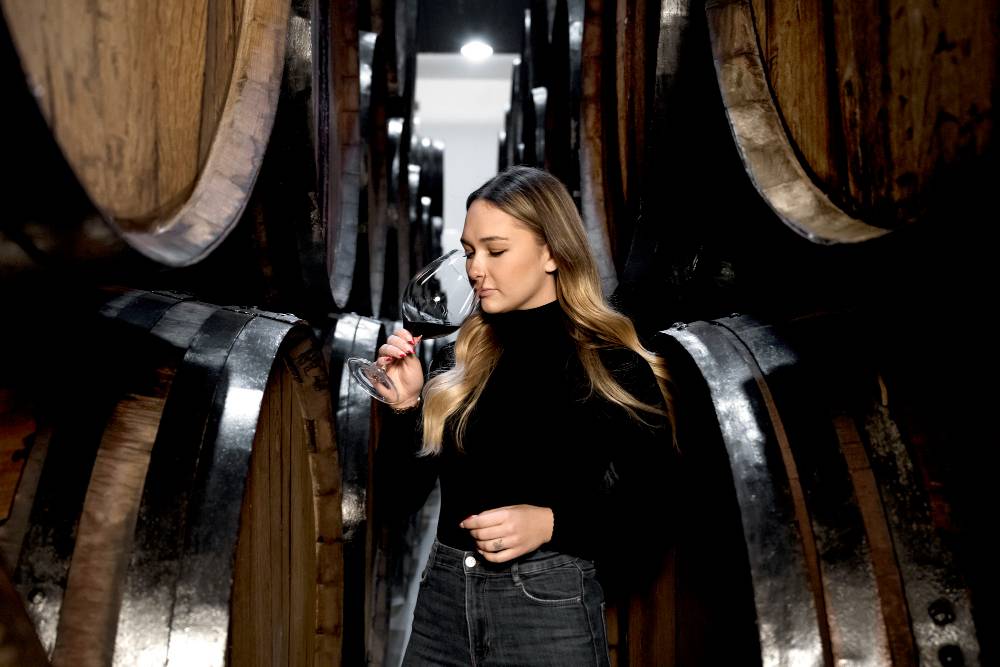 However, if you want a more mature wine, you can put the drink in a wooden barrel to start its aging process. Depending on the type of barrel you use, the resulting wine, and the aging time, the drink may acquire added aromas and flavors. You can obtain a white or rosé wine, by leaving it for a minimum of 6 months in wooden barrels.
For example, to obtain a red wine, it must remain in the barrel for three or four years. The reserve wines, require a little more time, between 5 and 8 years to be considered as such. On the other hand, the gran reserva require much more time to acquire the appropriate characteristics. That is, they must rest between ten and fifteen years - or more - in the barrel.
However, if you want a more mature wine, you can put the drink in a wooden barrel to start its aging process. Depending on the type of barrel you use, the resulting wine, and the aging time, the drink may acquire added aromas and flavors. You can obtain a white or rosé wine, by leaving it for a minimum of 6 months in wooden barrels.
For example, to obtain a red wine, it must remain in the barrel for three or four years. The reserve wines, require a little more time, between 5 and 8 years to be considered as such. On the other hand, the gran reserva require much more time to acquire the appropriate characteristics. That is, they must rest between ten and fifteen years - or more - in the barrel.