


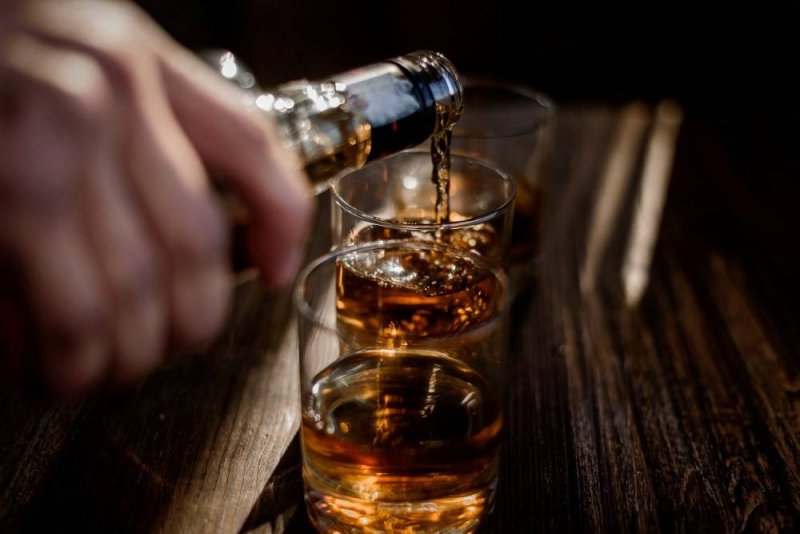
What is the origin of rum?
As with most alcoholic beverages, the history of rum dates back to ancient times. In ancient ancient Greece fermented drinks were already made from the natural sugars of sugar cane, tradition that was later adopted by the Roman world and, later, by medieval Christian Europe. In fact, it is known that, in the region of present-day Granada, around the 11th century, a similar drink was already produced, although it was not called “rum” nor was it made in exactly the same way. On the other hand, Marco Polo, during his travels in the 14th century, made reference to a kind of "sugar wine" that he would have tasted in the region of Persia, today known as Iran. These antecedents, although they were quite rudimentary, are clear indications that rum, or at least a primitive form of it, already existed long before it was consolidated in the market as the distillate we know today in day.The history of rum
 Although there are no documents that confirm its birth with complete certainty, most studies agree that the origin of rum as we understand it today is located in the Caribbean, specifically in the island of Barbados. In fact, it was there that sugar cane molasses began to be distilled to produce an alcoholic beverage that, at first, was considered of low quality and was reserved mainly for the sailors. In fact, the term "rum" comes from English "rumbullion", which can be translated as "great uproar" or "tumult", in reference to the festive and disorderly character associated with the consumption of this drink in port taverns, as well as on the ships themselves.Thus, rum soon became an indispensable part of life on board in naval fleets, both commercial and military. It was quite common at that time for it to be distributed among the crews as part of daily rationing, and not It took a while to become a symbol that romanticized life on the high seas. This historical context gave rise to an iconic image that endures to this day: that of rum as the favorite drink of both pirates and adventurers.
Origin of current rum
The first written references to rum appear around 1650 in Barbados, a Caribbean island with vast sugar cane plantations. It was the Spanish colonizers who introduced this crop to the Antilles region, where it found an optimal climate for its development. As we mentioned above, there they soon discovered that, from molasses, a by-product of sugar production, they could obtain a distillate with a high alcohol content. Of course, this coincides with the time of the rise of piracy in the Caribbean region and made rum quickly associated with the figures of buccaneers and privateers, who not only consumed it, but also consumed it. They exchanged it in the ports and took it with them on their journeys. It was, however, English merchants who saw the potential of this drink for international trade. Starting in the 17th century, they began to export rum to Europe, where it began to gain prestige as an exotic drink with a strong character. Today, the origin of rum is still closely linked to this region, although its production and consumption has spread to numerous countries around the world. Each area provides its own nuances, so, today, you can buy light rums and dry ones from Cuba or Puerto Rico, and more robust and spicy ones from Jamaica or Martinique or other corners of the world. In all cases, the artisan tradition endures despite the introduction of technological innovations and, therefore, it is possible to acquire products of the highest quality. And today it is even possible to buy rum online, by accessing a selection careful labels from the best distilleries in the world.The history of rum today
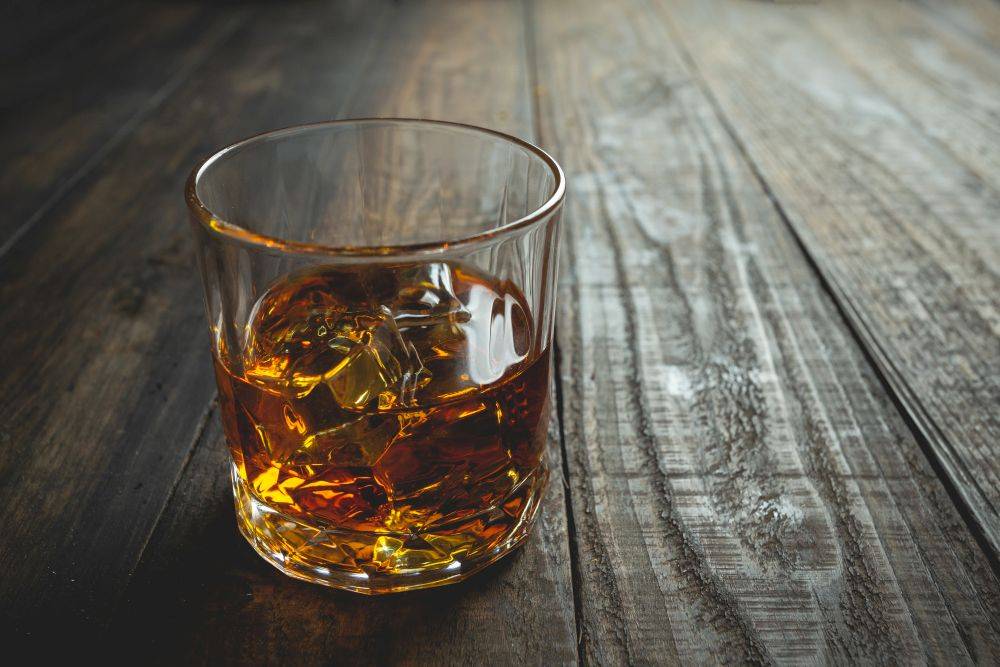 Far from being stuck in its maritime past, rum is a product that has managed to reinvent itself in recent decades, adapting to the tastes of each era. Its contemporary history is marked by a process of sophistication and diversification that has made it one of the most appreciated drinks by sommeliers, bartenders and lovers of signature cocktails. Currently, we find long-aged rums, made using traditional methods and aged for years in barrels that previously contained bourbon, sherry or wine, which helps to enrich their aromatic profile and tasting.At the same time, we can say that rum-based cocktails have reached a new status within the gourmet world. The most classic ones, such as the Mojito, the Daiquiri or the Mai Tai coexist with more modern creations that dare to explore new combinations of flavors, textures and presentations. Rum has become synonymous with elegance, versatility and sophistication, completing, in some way, the circle of rum history.