


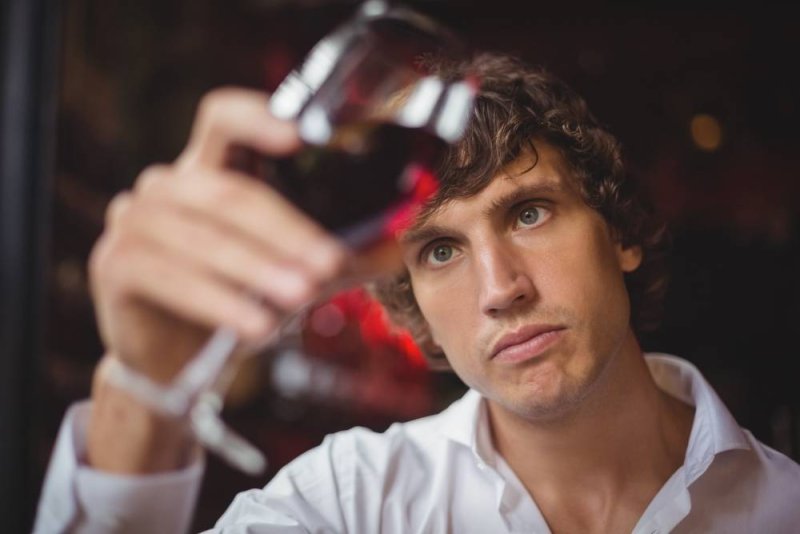
How to taste a wine by sharpening the senses
If you are wondering how to taste a good wine, you should keep in mind that you must fully involve several senses in the experience to be able to scrape the surface and dive into the full depth of this drink to discover its subtleties. The sense of sight is important, as are the sense of taste and smell in the art of tasting wine.How to taste a wine with the sense of sight?
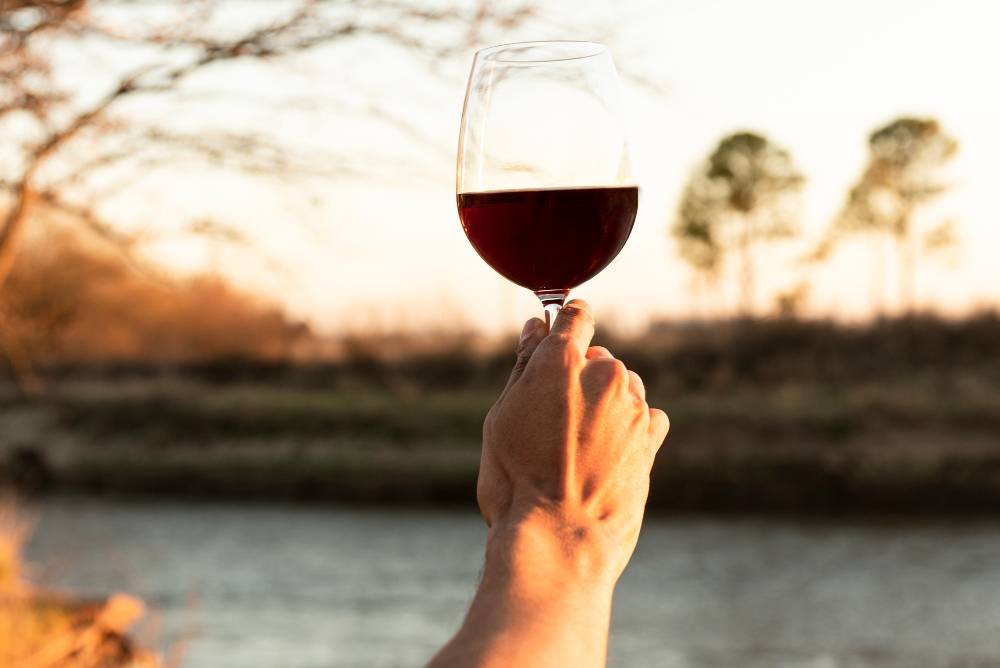 Before tasting this drink, you must cultivate a sense of patience and not drink immediately. With your sense of sight you will be able to observe what the color of the wine is like, regardless of whether it is red, rosé, white or sparkling. In red wines, the color tone can provide evidence about the type of grapes used, about the characteristics of the must fermentation and, above all, the time it has been maturing.
Normally, if its color is a very dark maroon, purple or violet, it is an indication that it is a young wine, but if it has a color more similar to the brick color or similar to brown tones, this means that it is a mature or aged wine.
As for its white version, we can say that the brighter or saturated colors, the colors that tend towards gold resplendent to greenish yellow are indicative that it is a young wine and if its tones are duller and tend towards brown, we can probably say that it is an old wine.
Before tasting this drink, you must cultivate a sense of patience and not drink immediately. With your sense of sight you will be able to observe what the color of the wine is like, regardless of whether it is red, rosé, white or sparkling. In red wines, the color tone can provide evidence about the type of grapes used, about the characteristics of the must fermentation and, above all, the time it has been maturing.
Normally, if its color is a very dark maroon, purple or violet, it is an indication that it is a young wine, but if it has a color more similar to the brick color or similar to brown tones, this means that it is a mature or aged wine.
As for its white version, we can say that the brighter or saturated colors, the colors that tend towards gold resplendent to greenish yellow are indicative that it is a young wine and if its tones are duller and tend towards brown, we can probably say that it is an old wine.
How to taste a wine with the sense of smell?
In addition to the sense of sight, smell is crucial when tasting wine. Before taking the first sip, it is very important to smell the wine to identify its aromas. These can be primary —from grapes—, secondary and tertiary —which are those that have been developed during the aging—. To do this, we recommend bring your nose closer to take a first inhalation without shaking the glass to perceive the most subtle aromas of the wine. Then, shake the glass slightly to release other aromatic compounds and perform a second inhalation, to perceive the most intense odors. Tasting the wine with your sense of smell before tasting it will allow you to identify a wider range of fruity, floral and even spicy and earthy aromas.How to taste a wine with the sense of taste?
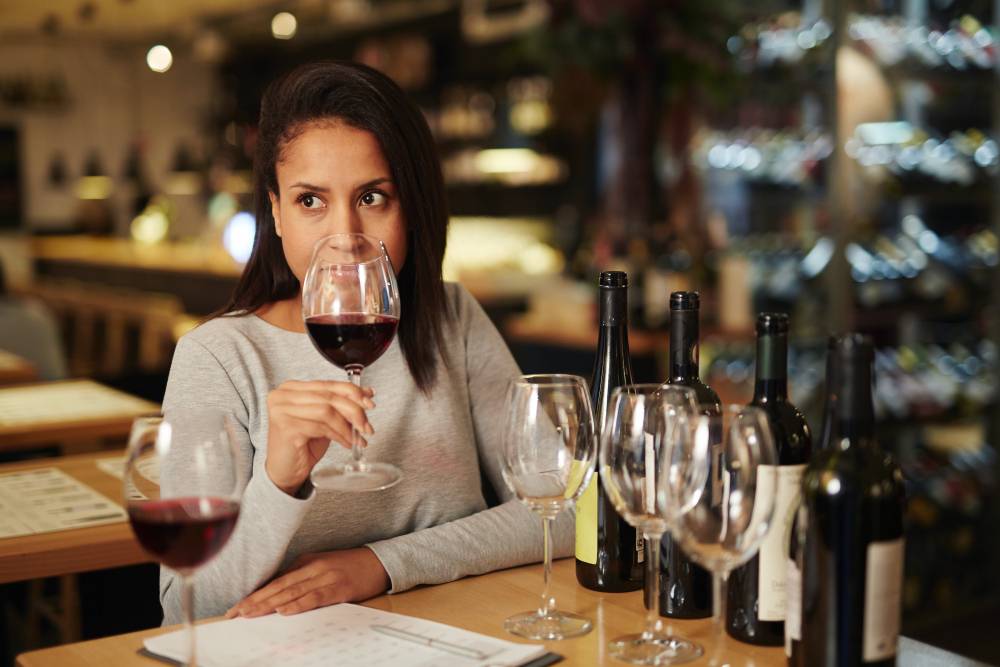 Finally, the sense of taste plays a fundamental role when tasting a quality wine. After having paid attention to its color and aroma, you can now take a small sip and let the wine permeate your entire mouth. Pay attention to its flavor and evaluate its sweetness, its acidity, its tannins —although it is usually said that only vats have them, in reality whites, rosés and sparkling wines also have them, although to a lesser extent measure—, your body and your balance. Notice how the flavors evolve from the moment the wine enters your mouth until the moment after you swallow it.
If you want to know how a wine tastes, of course, it is also very important to pay attention to the persistence of flavor, that is, how long the flavors remain in your mouth after you have swallowed the wine. The longer the persistence, we can say that we are dealing with a higher quality product.
Finally, the sense of taste plays a fundamental role when tasting a quality wine. After having paid attention to its color and aroma, you can now take a small sip and let the wine permeate your entire mouth. Pay attention to its flavor and evaluate its sweetness, its acidity, its tannins —although it is usually said that only vats have them, in reality whites, rosés and sparkling wines also have them, although to a lesser extent measure—, your body and your balance. Notice how the flavors evolve from the moment the wine enters your mouth until the moment after you swallow it.
If you want to know how a wine tastes, of course, it is also very important to pay attention to the persistence of flavor, that is, how long the flavors remain in your mouth after you have swallowed the wine. The longer the persistence, we can say that we are dealing with a higher quality product.