



How is artisanal rum made?
As we mentioned above, artisanal rum is made from sugar cane, a tropical plant rich in sucrose. The process begins with the pressing of the canes to extract the liquid or sugar that they contain, from which a thick liquid or molasses. This product is cooked at high temperatures until it reaches a dense texture, similar to honey. Subsequently, is mixed with water and yeast to start the fermentation process. During this phase, the yeasts transform the natural sugars into alcohol, obtaining a low-alcohol liquid which will serve as a base for distillation. Distillation is traditionally carried out in copper stills, which allow better conservation of natural aromas and eliminate impurities. In some cases, craft rum is distilled a second or third time to achieve superior purity. The distillate is then rested in oak barrels. —often from recycled bourbon or cognac—, where it matures slowly and absorbs the tannins, color and aromatic nuances of the wood.Aging can last for years, and each barrel provides a particular character. Finally, rum is usually blended to balance flavors and create a distinctive signature, although some rum-making masters may add a light dose of caramel to deepen the color or finish “polishing” the flavor. This artisanal process requires time, attention and a deep respect for the raw material, factors that translate into different types of artisanal rum with varied complex and authentic personalities.Characteristics of industrial rum
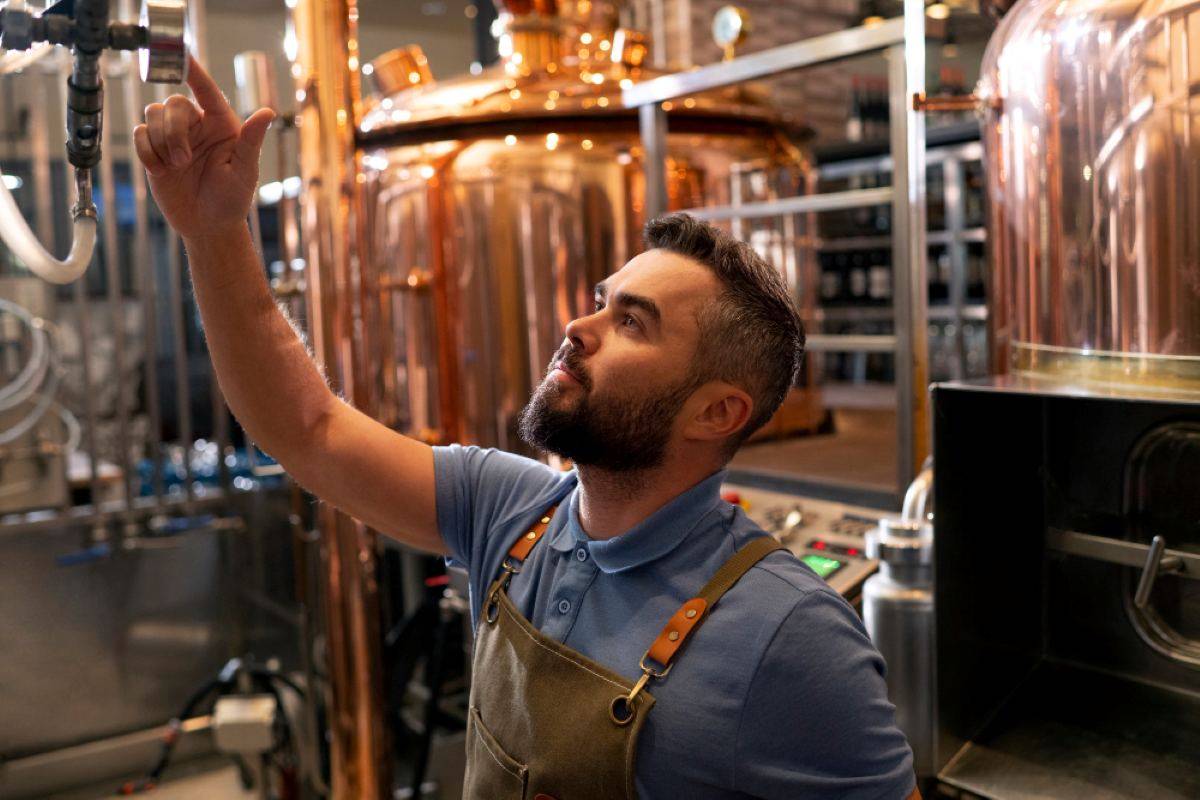 The process of making industrial rum shares its essence with artisanal rum - both come from sugar cane - but differs in scale, production rate and method employee. The molasses, once extracted, is mixed with water and yeast to give way to fermentation, which can last from 24 hours to 12 days, depending on the type of rum you are looking to obtain. During this process, sugars are transformed into alcohol and carbon dioxide.
The big difference lies in the distillation. In the case of industrial rum, a continuous column system is used, designed to maximize performance and obtain a lighter and more neutral distillate. This method allows producing large volumes of rum in a shorter period of time and with the main objective of offering a product with constant quality.
Aging takes place in oak barrels or stainless steel tanks. When aged in wood, the rum acquires golden nuances and woody notes; On the other hand, when stored in steel, it remains almost colorless and with a cleaner profile. Once the maturation stage is complete, the rum is carefully blended to ensure a uniform flavor profile. Before bottling, is filtered to remove impurities and, in many cases, caramel or sweeteners are added to adjust the final flavor and color.
You can explore different expressions of both styles by visiting our rum catalog La Cave Gillet, where you will find a selection designed for every type of lover of this drink. Industrial rum, therefore, is committed to efficiency and consistency in production, offering a product generally with a more accessible price, with a lighter body and a more uniform profile.
The process of making industrial rum shares its essence with artisanal rum - both come from sugar cane - but differs in scale, production rate and method employee. The molasses, once extracted, is mixed with water and yeast to give way to fermentation, which can last from 24 hours to 12 days, depending on the type of rum you are looking to obtain. During this process, sugars are transformed into alcohol and carbon dioxide.
The big difference lies in the distillation. In the case of industrial rum, a continuous column system is used, designed to maximize performance and obtain a lighter and more neutral distillate. This method allows producing large volumes of rum in a shorter period of time and with the main objective of offering a product with constant quality.
Aging takes place in oak barrels or stainless steel tanks. When aged in wood, the rum acquires golden nuances and woody notes; On the other hand, when stored in steel, it remains almost colorless and with a cleaner profile. Once the maturation stage is complete, the rum is carefully blended to ensure a uniform flavor profile. Before bottling, is filtered to remove impurities and, in many cases, caramel or sweeteners are added to adjust the final flavor and color.
You can explore different expressions of both styles by visiting our rum catalog La Cave Gillet, where you will find a selection designed for every type of lover of this drink. Industrial rum, therefore, is committed to efficiency and consistency in production, offering a product generally with a more accessible price, with a lighter body and a more uniform profile.
Main differences between artisanal and industrial rum
The differences between artisanal rum and industrial rum are as evident in their production process as in their final result. First of all, the scale and production philosophy draw a clear line. Artisanal rum is made in small distilleries where masters specialized in its production control each stage of the process, seeking to express the character of the cane and the environment. Each of the lots may vary slightly within limits, which allows for greater authenticity and personality. On the contrary, industrial rum responds to a more technical logic, in which homogeneity and efficiency prevail, since involves more automated processes that allow us to achieve a more stable and reproducible product in the production chain. Copper still distillation versus continuous column distillation makes another big difference. While the artisanal method retains aromatic compounds that enrich the profile of the rum, industrial distillation tends to eliminate many of them, obtaining a more neutral distillate. Consequently, artisanal rums usually present greater aromatic complexity, body and depth, while industrial rums offer a noticeably smoother and lighter profile. As for aging, artisanal producers usually use previously selected oak barrels, often in controlled climatic conditions, which allows the development of notes of vanilla, honey, nuts and spices. Industrialists, on the other hand, can resort to large-capacity barrels or even metal tanks, which reduces the interaction with the wood and, consequently, allows the maturation time to be significantly shortened.What is better, industrial rum or artisanal rum?
 As they say in most comparisons, the answer is that depends on the product we want to produce or acquire. Artisanal rum is much more authentic, has a more robust character and is linked to tradition, making it ideal to enjoy alone or with ice. Industrial rum, on the other hand, offers greater lightness, is cleaner and balanced, which makes it an excellent option for making cocktails. Both styles have their target audience, but they respond to different philosophies within the same art.
In short, we can say that both artisanal rum and industrial rum are the product of sugar cane and human ingenuity. One embodies patience, detail and the traditional heritage of the craft generation after generation and the other, modernity and standardization of product quality. And both, each in their own way, continue to keep alive the history of one of the most emblematic drinks in the world.
As they say in most comparisons, the answer is that depends on the product we want to produce or acquire. Artisanal rum is much more authentic, has a more robust character and is linked to tradition, making it ideal to enjoy alone or with ice. Industrial rum, on the other hand, offers greater lightness, is cleaner and balanced, which makes it an excellent option for making cocktails. Both styles have their target audience, but they respond to different philosophies within the same art.
In short, we can say that both artisanal rum and industrial rum are the product of sugar cane and human ingenuity. One embodies patience, detail and the traditional heritage of the craft generation after generation and the other, modernity and standardization of product quality. And both, each in their own way, continue to keep alive the history of one of the most emblematic drinks in the world.