


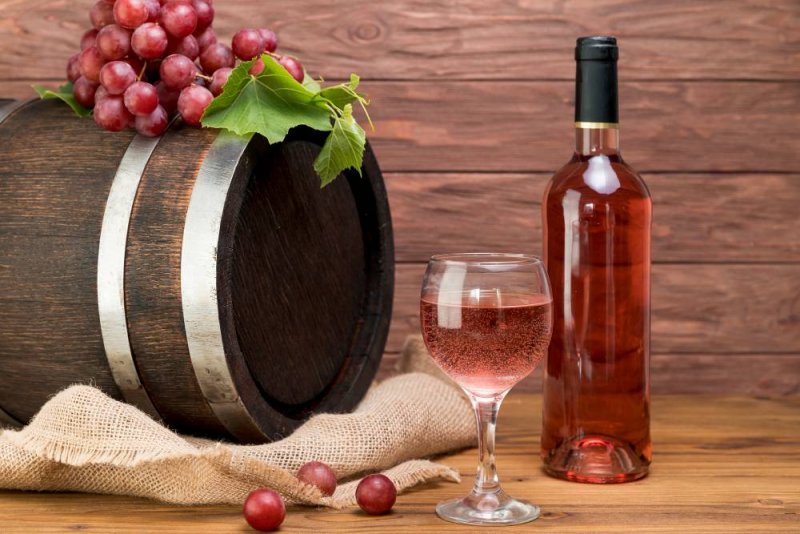
What is dry rosé wine like?
dry rosé wine is perhaps the most popular style among rosé wine lovers, especially in regions with a winemaking tradition such as Provence, in France. This type of wine is characterized by having a very low or practically non-existent residual sugar content, which makes it a fresh, light and elegant drink. This type of drink is usually young or aged and is made with black grapes or a mixture of these with white, which can give it a pale pink tone or even a color close to that of ruby. On the nose, dry rosé usually offers subtle aromas of red fruits such as strawberries, raspberries and cherries, accompanied by citrus, floral notes and, in some cases, a mineral touch. In the mouth, its balanced acidity and clean finish make it an ideal option to pair with light dishes such as salads, seafood, sushi, fish, pasta dishes and cheeses. Dry rosé wines are highly appreciated for their great versatility and their ability to be refreshing without being cloying, since they contain less than 4 grams of sugar per liter. This is why they are considered perfect to enjoy during the summer, especially while tasting tapas and appetizers before meals.Characteristics of sweet rosé wine
 The sweet rosé wine is an ideal option for those people who prefer to enjoy more intense flavours. sweet and round. Unlike dry rosé, this type of wine has a higher residual sugar content, which gives it a sweeter mouthfeel. In fact, they often have between 4 and 45 grams of sugar per liter.
The aromas of sweet rosé are usually intense and enveloping, since they usually highlight the notes of ripe fruits, such as peaches, raspberries, strawberries and, sometimes, some tropical nuances such as mango or pineapple, depending on the vintage. Its texture in the mouth is usually soft and velvety, which makes it the perfect type of wine to accompany desserts, soft cheeses, white fish, salads, rice and pastas and even enjoy after dinner while chatting with our friends.
Although a few years ago sweet rosé wine was considered less sophisticated than dry and fruity wine, currently it has gained popularity thanks to the high quality of the production carried out in today's main wineries, especially in regions such as California or some areas of Spain and Italy, among many others.
The sweet rosé wine is an ideal option for those people who prefer to enjoy more intense flavours. sweet and round. Unlike dry rosé, this type of wine has a higher residual sugar content, which gives it a sweeter mouthfeel. In fact, they often have between 4 and 45 grams of sugar per liter.
The aromas of sweet rosé are usually intense and enveloping, since they usually highlight the notes of ripe fruits, such as peaches, raspberries, strawberries and, sometimes, some tropical nuances such as mango or pineapple, depending on the vintage. Its texture in the mouth is usually soft and velvety, which makes it the perfect type of wine to accompany desserts, soft cheeses, white fish, salads, rice and pastas and even enjoy after dinner while chatting with our friends.
Although a few years ago sweet rosé wine was considered less sophisticated than dry and fruity wine, currently it has gained popularity thanks to the high quality of the production carried out in today's main wineries, especially in regions such as California or some areas of Spain and Italy, among many others.
How is fruity rosé wine?
The fruity rosé wine, for its part, is at an intermediate point between dry rosé and sweet. This type of wine stands out for providing an explosion of fruity aromas on the nose and a balance between freshness and sweetness, without being cloying on the palate. Fruity rosé wines present a wide range of aromatic notes that include aromas of ripe red fruits, such as strawberries and cherries, tropical fruits such as guava and lychee, and even a slight citrus touch. which adds freshness to the whole. In the mouth, they usually have a medium body, with pleasant acidity and a more versatile profile, which makes them an excellent option for you if you are looking for a pleasant, easy-drinking wine and you have no experience in wine tasting. This type of wine is perfect to pair with some food dishes, such as pizzas, tapas, sausages or even certain Asian cuisine dishes. Thanks to its balance, we can say that it is a perfect type of wine to taste on any occasion.Main differences between sweet, dry and fruity rosé wine
 Although all the types of wines that we have shown throughout this article share the same origin in terms of production, the differences between rosé wine dry, the sweet and the fruity lie in their level of residual sugar, aromatic profile and the texture and flavor they leave in the mouth.According to the level of sweetness, we can say that the dry contains practically no residual sugar, the sweet has a considerable amount of sugars, and the fruity is in the middle, which means that it offers a sweet flavor without being too cloying.
Depending on the aromatic profile, we note that the dry rosé has more subtle and delicate aromas, the sweet one is characterized by its intensity and sweeter notes. On the other hand, the fruity rosé stands out for its explosion of ripe and tropical fruits.
As for pairing you should keep in mind that dry rosé wine is ideal to accompany with salty and light dishes; The sweet one is best enjoyed with desserts or soft cheeses, and the fruity one combines well with Italian and Asian dishes, such as pasta or pizza.
Likewise, although all rosés tend to be fresh, the dry one stands out for being more acidic, the sweet one for being soft, and the fruity one for its balance. Therefore, we can conclude by saying that you can find rosé wine options for all palates, such as dry, sweet and fruity. At La Cave Gillet, you will find a selection of rosé wines that will allow you to discover and enjoy all these varieties. Don't think twice: Visit us and find the perfect bottle for your next gathering of friends!
Although all the types of wines that we have shown throughout this article share the same origin in terms of production, the differences between rosé wine dry, the sweet and the fruity lie in their level of residual sugar, aromatic profile and the texture and flavor they leave in the mouth.According to the level of sweetness, we can say that the dry contains practically no residual sugar, the sweet has a considerable amount of sugars, and the fruity is in the middle, which means that it offers a sweet flavor without being too cloying.
Depending on the aromatic profile, we note that the dry rosé has more subtle and delicate aromas, the sweet one is characterized by its intensity and sweeter notes. On the other hand, the fruity rosé stands out for its explosion of ripe and tropical fruits.
As for pairing you should keep in mind that dry rosé wine is ideal to accompany with salty and light dishes; The sweet one is best enjoyed with desserts or soft cheeses, and the fruity one combines well with Italian and Asian dishes, such as pasta or pizza.
Likewise, although all rosés tend to be fresh, the dry one stands out for being more acidic, the sweet one for being soft, and the fruity one for its balance. Therefore, we can conclude by saying that you can find rosé wine options for all palates, such as dry, sweet and fruity. At La Cave Gillet, you will find a selection of rosé wines that will allow you to discover and enjoy all these varieties. Don't think twice: Visit us and find the perfect bottle for your next gathering of friends!