


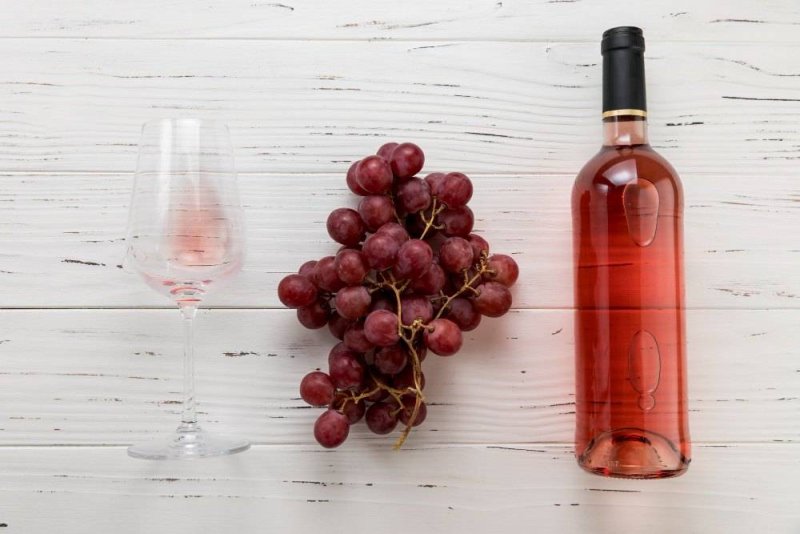
Rosé wine production process
Rosé wine is obtained from red grapes or from a combination of red and white grapes. In general terms, we can say that its production follows a process similar to that used to obtain white wines, but with the particularity that the must remains in contact with the skins—specifically, the skins of the red grapes—for a time. limited. Since the must is almost colorless, it is precisely this brief contact with the skins, which gives the intensity of the color of the wine. The longer the maceration lasts, the more intense the color of the wine will be. resulting. Therefore, if we leave it macerating for too long, we will end up obtaining a red wine.Destemming process
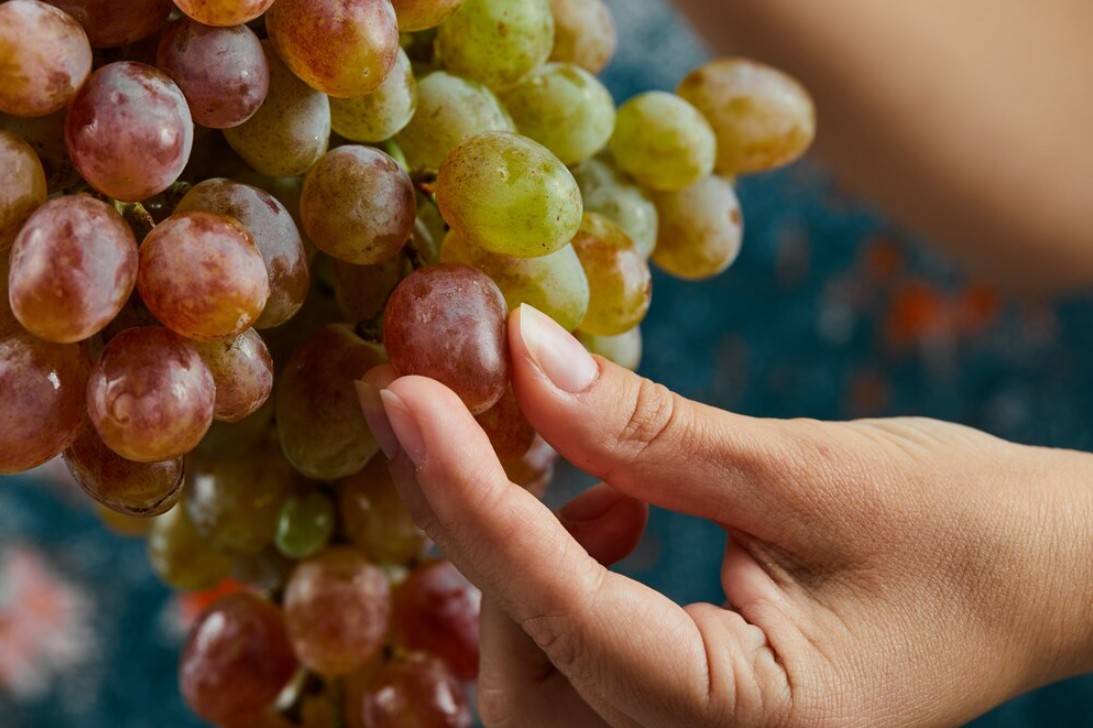 The first step in the production of rosé wine consists of destemming, that is, the separation of the grapes from the stem, which are the woody structures on which the clusters grow. Once this process has been carried out, the "yolk must" is obtained, which is the first juice that is released from the grapes due to the action of gravity and the weight of these fruits. This must is especially appreciated for its fineness and purity.
Production of rosé wines: crushing
The next step in the production of rosé wines is crushing, in which controlled pressure is applied to the grapes to extract the must. During this process, it is essential to try to prevent the seeds from breaking throughout the process, as they could release unwanted bitter compounds, affecting the quality and balance of the wine. The objective is to separate the juice from the skins in a delicate way to maintain the freshness and elegance of the future rosé wine.Mashing process
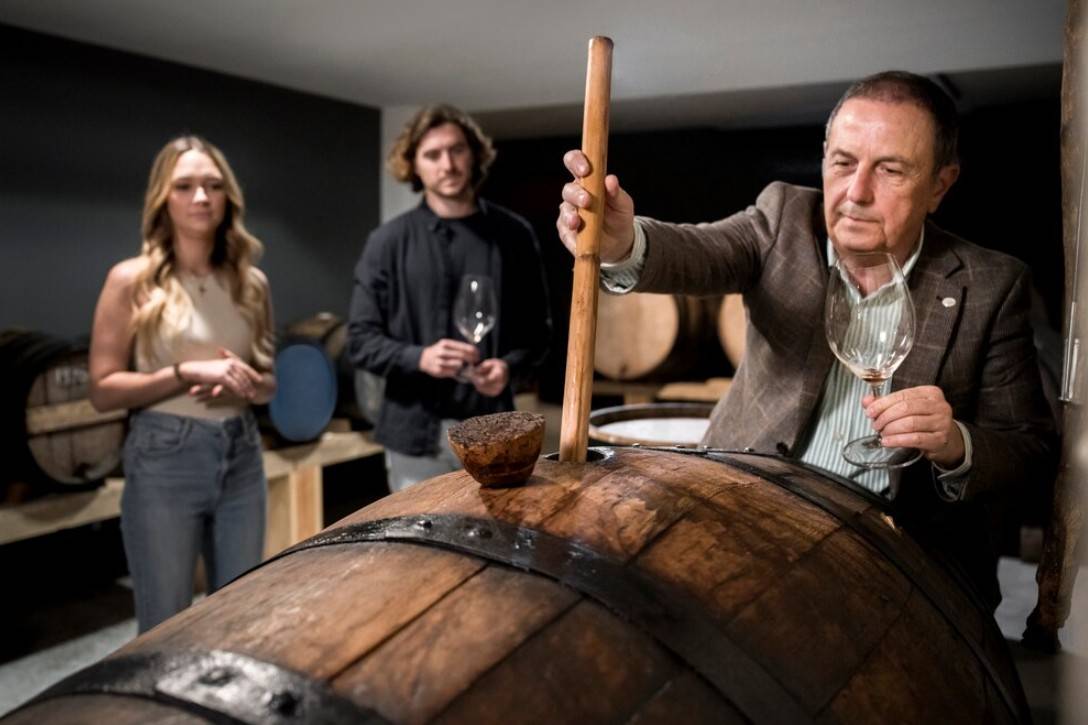 Maceration is a crucial step in the rosé wine making process, Well, it is here where its characteristic color and organoleptic profile are defined. During this process, the must is left in contact with the skins for a short period of time, allowing the extraction of pigments and other compounds present in the skin of the grapes.
In addition to color, maceration influences the concentration of tannins and the structure of the wine. In rosés, this process is usually carried out at a lower temperature and must have a maximum duration of 24 hours. We remember here that, if we go too far, we will end up getting a red. After this time, you can proceed to bleeding the tank to separate the wort from the solid parts.
Maceration is a crucial step in the rosé wine making process, Well, it is here where its characteristic color and organoleptic profile are defined. During this process, the must is left in contact with the skins for a short period of time, allowing the extraction of pigments and other compounds present in the skin of the grapes.
In addition to color, maceration influences the concentration of tannins and the structure of the wine. In rosés, this process is usually carried out at a lower temperature and must have a maximum duration of 24 hours. We remember here that, if we go too far, we will end up getting a red. After this time, you can proceed to bleeding the tank to separate the wort from the solid parts.
Production of rosé wine: fermentation
Once we have obtained a clean must and free of skins, we must proceed to the fermentation process, which is through which the sugars in the must are converted into alcohol thanks to the action of the yeasts. This stage can be carried out in stainless steel tanks to preserve freshness and fruit aromas, although there are not a few traditional wineries that opt for wooden barrels, which usually provides more complex and structured nuances to the wine.Racking and clarification process
Once the wine has fermented, we must take into account that it usually contains solid impurities, such as remains of yeast and other substances that settle at the bottom of the containers. To eliminate them, racking is carried out, a procedure that consists of changing the wine from one container to another, leaving the sediments behind. In addition, a clarification process is carried out, in which natural substances are added that help to compact the suspended particles, which makes their elimination easier and leaves this drink much cleaner and brighter. It is at this point that some rosé wines become part of the rosé wine catalog of various wineries and specialized stores, where they are selected depending on their quality and their aromatic and tasting profile.Cold stabilization
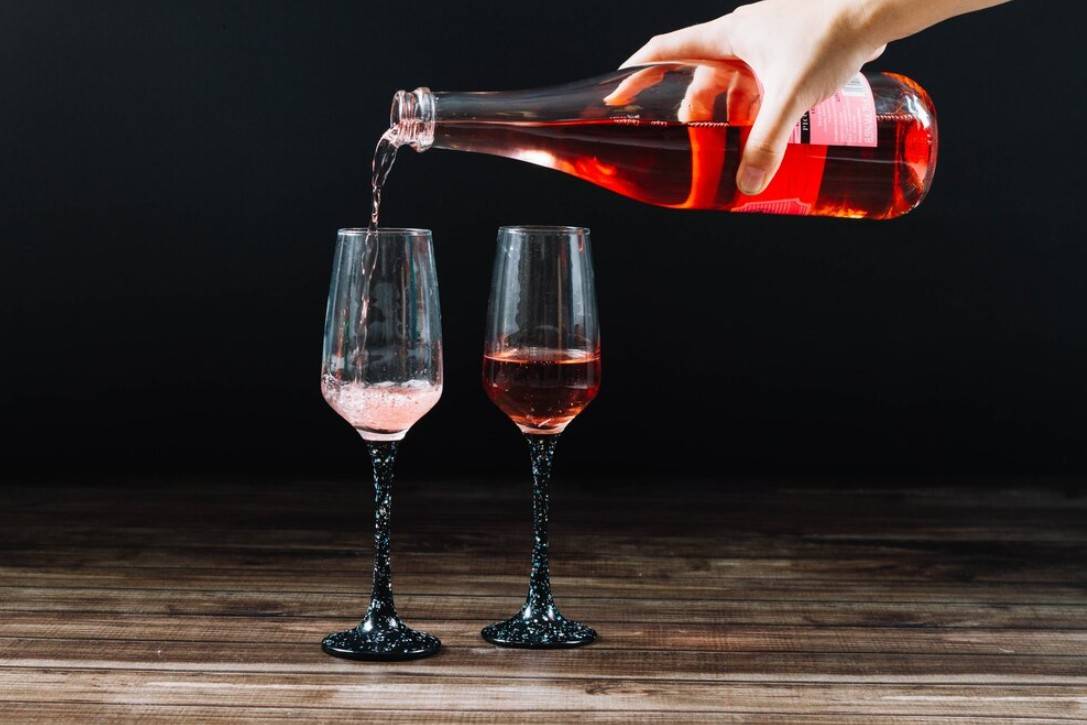 One of the last steps in the production of rosé wine is cold stabilization. In this process, the wine is subjected to low temperatures to cause the precipitation of tartaric acid salts, preventing these compounds from forming crystals in the bottle when this exquisite drink is cooled before consumption. This procedure ensures that the wine can maintain its clarity and stability until it reaches the consumer's glass. In fact, on our website, La Cave Gillet, you can find a huge rosé wine catalog to be able to taste this type of high-quality drinks from the best brands and acquire them at the most competitive price.