


What is white wine and how is it made?
White wine is obtained from the alcoholic fermentation of the must of white or red grapes with light pulp, in which contact with the skins is minimal or non-existent. This absence of maceration is what gives it its characteristic pale yellow or golden color and its more delicate profile. During fermentation, the yeasts transform the natural sugars of the grapes into alcohol, also releasing aromatic compounds that end up defining its personality. After this process, the producer decides whether the wine is bottled immediately, to preserve its freshness and fruity character, or if it undergoes a process of aging in barrels or on lees, which will provide body, volume and more complex notes. Depending on this treatment, we can talk about a young white wine or a white wine aged, two styles that, although they share origin, offer very different sensory experiences in sight, nose and mouth, as well as in pairing with different foods. The choice of grape, which can be of different varieties, such as Chardonnay, Verdejo, Albariño, Sauvignon Blanc, Viura or Godello, among others, as well as the vinification technique used can decisively influence the final result, making each bottle express not only a variety, but also the philosophy of its producer and the character of the terroir.Characteristics of young white wine
 There is no doubt that a young white wine is synonymous with freshness and spontaneity. It is made to be enjoyed in its first year of harvest with a very short aging period or, directly, without going through aging, when it retains intact its primary aromas of white fruit, citrus or flowers. Its color is usually straw yellow with greenish reflections, which is an indication of youth and vivacity. In the mouth it is light, agile and with a refreshing acidity that invites you to continue tasting.
Varieties such as Sauvignon Blanc or Verdejo give rise to wines with notes of green apple, lime or fresh herbs, while a young white wine made with Albariño can show peach nuances and white flowers. In all cases, fermentation is carried out at controlled temperatures and without passing through wood, precisely to preserve the purity of this drink.
These wines are served at cold temperatures, between 8 and 10 °C, and are perfect to accompany seafood, white fish, salads or pastas with light sauces. Their direct and cheerful character makes them the preferred option for you if you are looking to enjoy simple tasting wines, but with their own identity and balance.
There is no doubt that a young white wine is synonymous with freshness and spontaneity. It is made to be enjoyed in its first year of harvest with a very short aging period or, directly, without going through aging, when it retains intact its primary aromas of white fruit, citrus or flowers. Its color is usually straw yellow with greenish reflections, which is an indication of youth and vivacity. In the mouth it is light, agile and with a refreshing acidity that invites you to continue tasting.
Varieties such as Sauvignon Blanc or Verdejo give rise to wines with notes of green apple, lime or fresh herbs, while a young white wine made with Albariño can show peach nuances and white flowers. In all cases, fermentation is carried out at controlled temperatures and without passing through wood, precisely to preserve the purity of this drink.
These wines are served at cold temperatures, between 8 and 10 °C, and are perfect to accompany seafood, white fish, salads or pastas with light sauces. Their direct and cheerful character makes them the preferred option for you if you are looking to enjoy simple tasting wines, but with their own identity and balance.
How barrel-aged white wine differs
Barrel-aged white wine is a product with a more mature and complex profile. During its aging, contact with the wood provides secondary and tertiary aromas or bouquet: vanilla, honey, nuts or toast. At first glance, its color it intensifies towards golden or amber tones and its texture becomes more unctuous. This type of wine usually comes from varieties with good structure and acidity, such as Chardonnay, Godello or Viura, capable of withstanding the passage of time without losing a bit of their freshness. Aging can be carried out in oak barrels - French or American - for one or two years (some even for more than 5 years), and even completed with maturation on fine lees, which gives it greater volume and a softer and more unctuous sensation in the mouth. On the nose, aged white wine usually reveals aromatic layers that evolve with oxygenation, going from ripe fruit to brioche bread or beeswax. In the mouth, it is perceived as more rounded, persistent and enveloping, making it ideal to pair with fatty fish, white meats, foie grass or cured and semi-cured cheeses. Within the extensive white wine catalogue of La Cave Gillet, outstanding examples of both styles can be found, both the brightest and most refreshing young whites and the most elegantly aged ones, made by highly prestigious wineries formed by professionals who know how to take care of every detail of their production processes.Sensory nuances and evolution over time
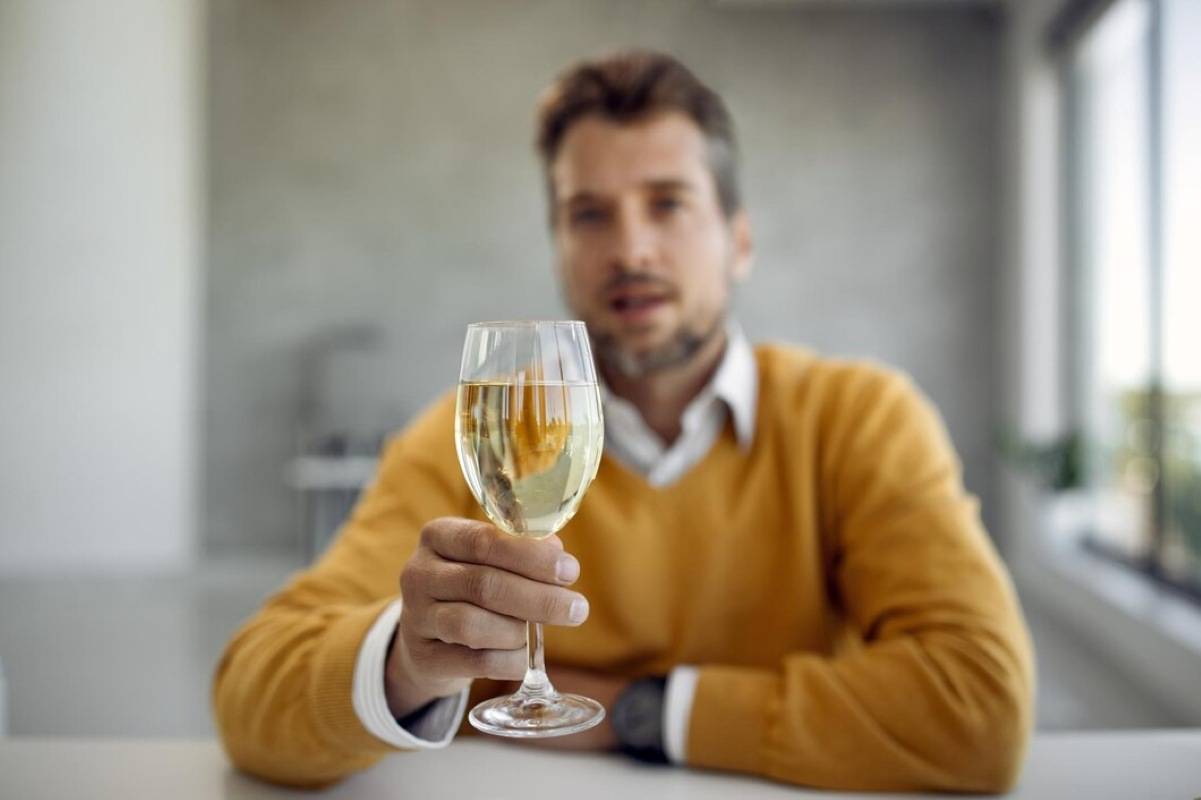 Now, we must also say that beyond the barrel, the evolution of a white wine also depends on the type of grape, the contact time with the lees (the sediments that remain at the bottom of the vats after fermentation) and the storage conditions. A young white tends to lose its liveliness over the years, while a aged can continue to gain complex nuances, developing honeyed or mineral notes over time.
In tasting, the difference is clear, since the young wine shows a more marked acidity, clear aromas of fresh fruit and a light sensation. For its part, the aged wine, on the other hand, offers a rounder mouthfeel, with evolved aromas and a longer finish. Visually, the tones of the aged tend to become slightly deeper, while the young ones retain their liveliness and their characteristic greenish flashes.
Both styles represent complementary facets of white wine. . Know how to recognize them. The first celebrates immediacy and freshness; the second, the maturity and complexity will allow you to enjoy each one at its best and appreciate how time and technique are capable of transforming the essence of the grape into a different sensory experience.
Now, we must also say that beyond the barrel, the evolution of a white wine also depends on the type of grape, the contact time with the lees (the sediments that remain at the bottom of the vats after fermentation) and the storage conditions. A young white tends to lose its liveliness over the years, while a aged can continue to gain complex nuances, developing honeyed or mineral notes over time.
In tasting, the difference is clear, since the young wine shows a more marked acidity, clear aromas of fresh fruit and a light sensation. For its part, the aged wine, on the other hand, offers a rounder mouthfeel, with evolved aromas and a longer finish. Visually, the tones of the aged tend to become slightly deeper, while the young ones retain their liveliness and their characteristic greenish flashes.
Both styles represent complementary facets of white wine. . Know how to recognize them. The first celebrates immediacy and freshness; the second, the maturity and complexity will allow you to enjoy each one at its best and appreciate how time and technique are capable of transforming the essence of the grape into a different sensory experience.